

You might think of heating as a straightforward thing. Flip a switch, wait a bit, and your home warms up. But an interesting question is, how do heat pumps work? Heat pumps work in a way that’s efficient and low‑key. Instead of creating heat by burning fuel, they move it.
On chilly days, they pull warmth from the air, the ground, or water outside. And they deliver it inside. In the summer, the process reverses, taking heat from indoors and sending it outside so your rooms stay comfortable.
It’s efficient and kind of clever when you think about it. Even on chilly mornings, there’s still heat to capture. Basically, it’s like nature is lending you its energy, and the pump just packages it in a way your home can use.
What Is a Heat Pump?
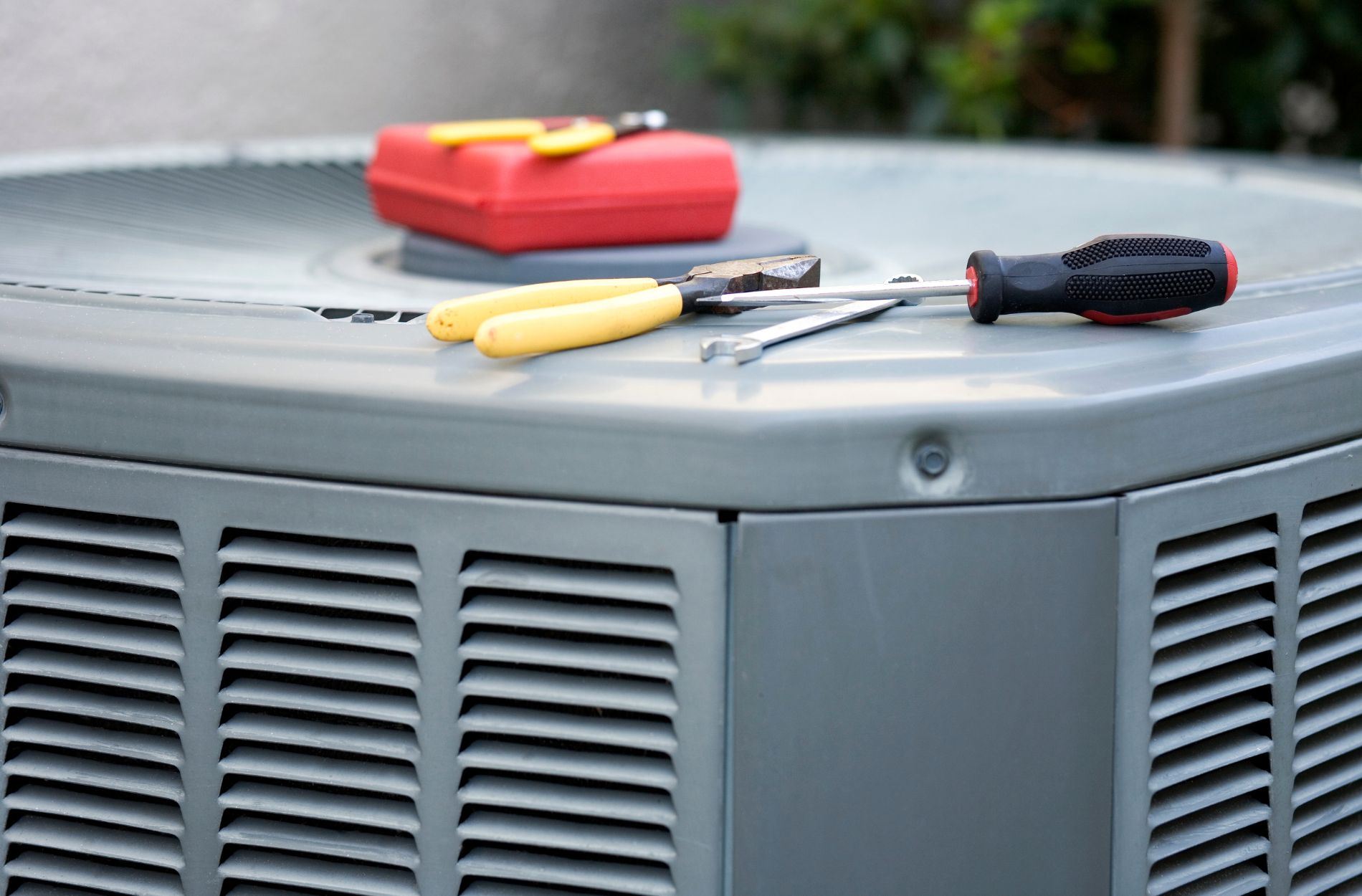
A heat pump is a device that moves heat instead of making it from scratch. Think of it like a thermal courier. It scoops up warmth from somewhere (air, water, or the ground). And drops it where you need it. Even when the world outside feels icy, there’s still heat lingering around. In the air, under the soil, in nearby water sources.
The heat pump finds it, concentrates it, and makes it useful. The best part? It does all this without burning fuel or producing much carbon, which makes it an environmentally friendly alternative to traditional heating. And honestly, when your home is warm without the smell of burning gas or the constant hum of a boiler.
How Does a Heat Pump Work: Step by Step
It might sound complicated at first, but really, it is just a clever little cycle with a few key parts doing all the work. The evaporator, compressor, condenser, and expansion valve. Each has its role, like a tiny team passing heat along from one stage to the next.
1) Heat Absorption (Evaporation)
First things first. The heat pump finds warmth in the environment: outside air, the ground, or a water source. A special liquid inside the evaporator absorbs this heat and starts turning into gas. You can almost imagine it sucking up invisible warmth like a sponge.
2) Compression
Next up is the compressor. It is like the pump that gives the gas a serious boost, cranking up the temperature. Electricity powers this step, but the heat it generates is far more than what the electricity alone could make.
3) Heat Release (Condensation)
Now the hot gas moves inside your home to the condenser. As it cools and condenses back into liquid, it gives off heat, warming water in your radiators or underfloor system or blowing warm air directly into the rooms. That cozy feeling you get? That’s the heat pump doing its thing.
4) Expansion and Repeat
Finally, the cooled liquid flows through an expansion valve, dropping in temperature and pressure, and the cycle starts all over again. It keeps repeating as long as you need heat, quietly humming away in the background, delivering warmth.
Can Heat Pumps Work With Radiators?
Yes. Heat pumps can work with radiators. Traditional ones are built for hot water from boilers. Usually around 60–80°C. Heat pumps operate best at much lower temperatures, around 35–45°C.
So, if you’ve got old-school radiators, you might notice they don’t feel as toasty as they used to. The fix? Bigger radiators, double panels, or boosting insulation so your home holds the heat better.
Honestly, even a small tweak can make a huge difference. And in lots of cases, you can keep your existing radiators. It just takes a bit of smart planning to make everything work smoothly.
Conclusion
For those wondering how heat pumps work, here’s a quick refresher. Heat pumps redefine how homes are heated. They deliver warmth efficiently and sustainably without the noise or fuss of traditional systems. The refrigerant cycle may sound technical. But at its core, it simply moves heat from one place to another. Reliably and continuously.
They’re not just a theoretical eco-gadget. Heat pumps actually work in cold climates, in big homes and small flats alike. And yes, they can often work with your existing radiators. You just have to make sure the system is for lower temperatures.
The takeaway? If you’re looking for an efficient heating system, a heat pump could be exactly what you need. It’s simple and also comforting once it’s running. Feel free to contact Hardin’s Heating & Cooling for dependable services.