

Few household frustrations match the annoyance of turning on your central air during a sweltering afternoon only to feel a faint, sluggish trickle of air whispering from your vents. When comfort systems drop in performance, a drop in structural ventilation forces your climate equipment to work harder, directly driving up your baseline electrical utility costs. Understanding the physical restrictions stifling your HVAC system allows you to pinpoint whether a minor filter maintenance swap or a comprehensive structural modification is required to restore peak airflow.
Key Takeaways
- Severe air circulation restrictions strain critical compressor components, occasionally triggering an ice block freeze-over across internal exchange surfaces.
- Tiny, overlooked duct leaks in hidden sheet-metal junctions silently drop system static pressure while venting climate resources into empty attic voids.
- Relying on certified diagnostic teams ensures that hidden performance threats like failing blower assemblies, collapsed ducts, and blocked ducts are cleanly resolved.
- Homeowners experiencing sudden drops in comfort can protect their property investments by scheduling a comprehensive home evaluation with experienced local air management professionals.
The 6 Primary Causes of Weak HVAC Airflow
Restoring maximum air performance requires tracking down specific mechanical failures and architectural choke points within your distribution loop. The following comprehensive structural breakdown highlights the most frequent underlying catalysts behind restricted climate delivery in residential homes.
1. Heavily Obstructed Media Filters
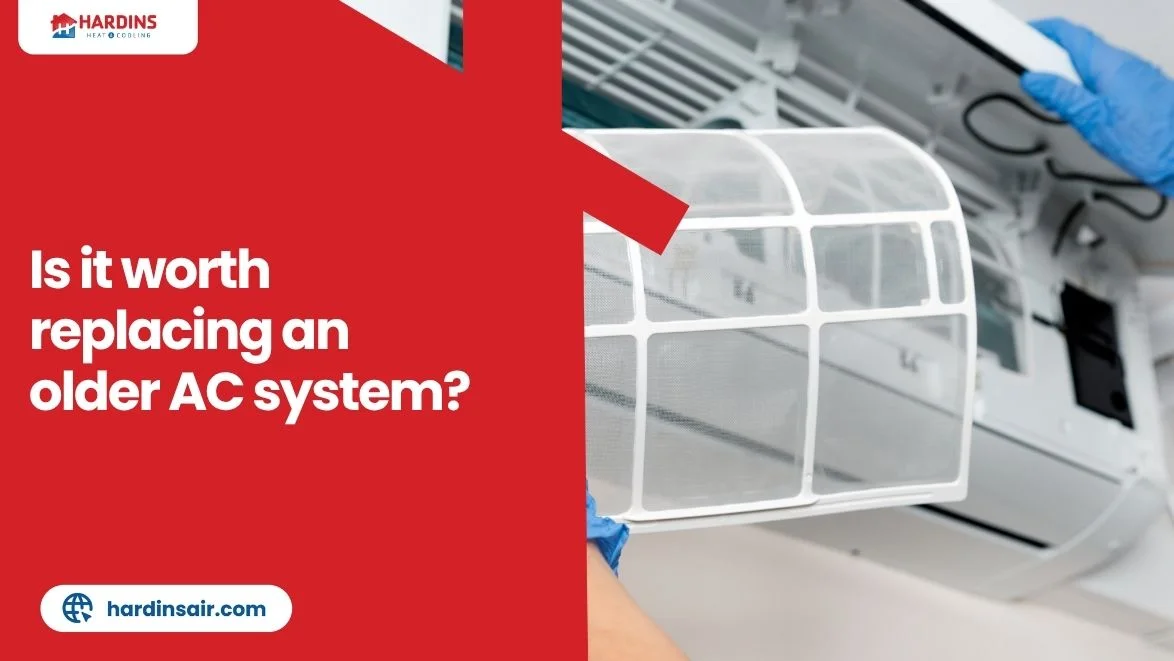
The most common reason for an unexpected drop in circulation velocity is a simple dust-saturated intake media layer. Over weeks of continuous operation, your internal filter captures immense quantities of airborne particulate matter, pollen, pet dander, and fine hair. Once this woven barrier becomes completely saturated, it turns into a dense physical wall that blocks incoming air from cleanly entering your ventilation equipment.
Experienced HVAC contractors Yukon OK routinely find that this severe restriction starves the fan system, creating high static strain, spiking your utility consumption, and sometimes forcing the indoor evaporator element to drop below freezing, encasing the entire metal matrix in solid ice. When the filter remains unchanged for months, it can even buckle under the immense pressure of the fan, allowing bypass air to pull dirt directly into the internal workings of the unit.
2. Fractured or Deteriorated Attic Ductwork Lines
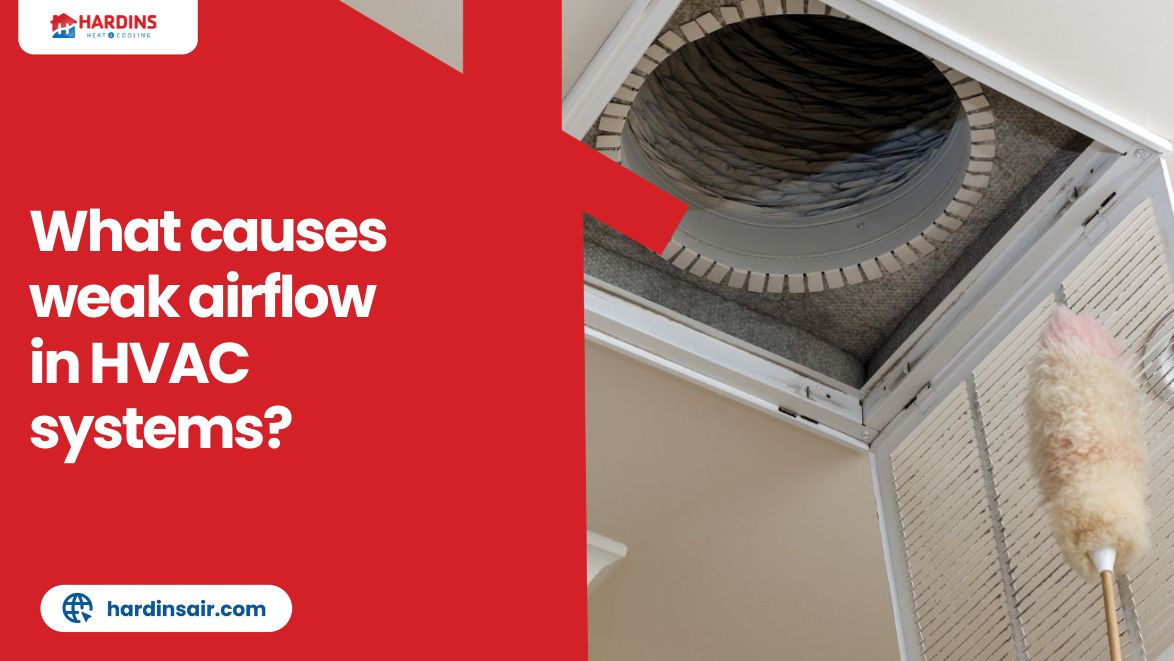
Even if your central mechanical equipment blows air perfectly, that conditioned air will never reach your bedrooms if the underlying delivery passages are physically breached. Over decades of thermal expansion and contraction, traditional sheet-metal connections and flexible duct tubes can separate at major junction points, break their mastic adhesive coatings, or tear open completely.
These hidden structural gaps create a path of least resistance, causing massive quantities of conditioned air to dump straight into your unconditioned attic or crawlspace voids while reducing the delivery velocity at the wall registers to a faint breath. Furthermore, external pests or moving insulation material can physically collapse flexible ducting runs, flattening the circular airway completely and cutting off specific rooms from the central system.
3. Frozen Internal Evaporator Coils
When an underlying issue, such as a dirty filter or low refrigerant level, partially restricts normal heat transfer, the temperature of your internal evaporator core can quickly plunge past 32 degrees Fahrenheit. As natural ambient humidity passes through the chilled housing, water droplets instantly freeze to the aluminum fins rather than draining away safely.
Over several hours of operation, this frost layers up into a thick, impenetrable block of solid ice that acts as a literal wall, completely blocking your blower from pushing air through to your home. Homeowners faced with this sudden, total loss of airflow often need an emergency HVAC service near me to safely thaw the delicate aluminum assembly and trace the root chemical or physical failure without warping the system fins.
4. Failing and Wear-Damaged Blower Fan Motors
The core muscle behind your home’s complete air distribution process is the indoor blower fan motor assembly. Over extended service lifespans, these heavy-duty electrical components can develop worn-out bearings, cracked drive belts, or heavy dust accumulations across the curved individual fan blades.
A thick accumulation of surface dust severely alters the engineered aerodynamic curve of the fan blades, dropping their mechanical pushing efficiency. This physical degradation means the fan spins at reduced operational speeds, pulling high electrical current while delivering very little physical air movement. In modern variable-speed motors, a single fried electrical module on the control board can lock the fan into its lowest default safety speed, mimicking a choked system.
5. Inadequate Architectural Duct Network Design
Sometimes, sluggish air movement has absolutely nothing to do with component wear, but rather a fundamental flaw in the home’s original duct design. If an amateur builder installed a standard HVAC system but ran undersized distribution lines, restricted trunk lines, or excessive sharp 90-degree elbows, the system will inherently suffer from high static resistance.
Air currents lose physical speed every single time they fight through a sharp, poorly planned directional turn, leaving distant registers struggling to deliver any meaningful circulation to upstairs or end-of-hall living spaces. Overcoming these deep-seated engineering layout mistakes requires a specialized heating and cooling service to perform structural duct balancing, add auxiliary return air vents, or carefully resize the main plenums to equalize room pressures.
6. Closed or Completely Obstructed Supply Dampers
A simple oversight that frequently mimics a severe mechanical failure is the accidental manual restriction of physical air paths. Homeowners often close off register vents in unoccupied guest spaces, mistakenly believing it saves utility costs, which actually back-pressures the main distribution trunk line.
Furthermore, internal inline branch balancing dampers located deep within the sheet-metal network can vibrate loose over years of service and slide into a closed position, silently choking off air delivery to specific rooms without displaying any outward signs of mechanical distress. Heavy draperies, oversized furniture pieces, or plush area rugs mistakenly positioned directly over floor registers also create massive physical air blockages that degrade home comfort.
Read Also: Are 24/7 HVAC emergency services available?
Conclusion
Resolving restricted air circulation demands a precise technical diagnostic approach rather than random part replacement. If basic routine filter changes fail to restore a strong, crisp breeze across your living zones, continuing to run a restricted HVAC system will inevitably trigger a costly compressor breakdown. For homeowners seeking an experienced repair team to permanently fix their structural circulation loops, the local crew at Hardin’s Heating & Cooling delivers meticulous diagnostic care and honest, reliable pricing. Trusting our highly skilled team guarantees your ventilation network is cleanly optimized to keep your property perfectly comfortable during the most punishing weather extremes.
Frequently Asked Questions
Can an old air conditioning system cause weak airflow?
An aging system itself does not inherently lose fan power, but decades of operational neglect cause heavy buildup of dirt on the internal fan wheels and heat-exchange fins, creating high aerodynamic resistance that reduces airflow.
How does weak airflow damage an expensive compressor assembly?
When air cannot pass cleanly over the cold indoor coil, the liquid refrigerant fails to boil off into a vapor. This forces liquid chemical compound to travel backwards into the outdoor unit, washing away vital lubricants and mechanically destroying the compressor pump.
When should I call for a professional emergency HVAC service near me?
If your vents drop down to zero airflow while your outdoor unit continues to run continuously, you should shut down the entire system at your breaker box immediately to prevent compressor liquid slugging and contact a licensed diagnostic technician to assess the failure.