

Common air conditioning problems in Yukon, OK include dirty condenser coils from red dirt, clogged drain lines, and failing capacitors due to extreme heat. Low refrigerant from leaks can reduce cooling. Also, frozen coils can block airflow completely, while fan motors can wear out over time. Strong winds and high humidity make these issues more frequent.
Need expert guidance? Contact Hardins Air for more information.
10 Common AC Issues in Oklahoma Homes
When the temperature hits the triple digits, your AC has to be in top shape with heating and cooling service near me or it simply won’t keep up. Here is a breakdown of the technical grit and common failures that keep Yukon homeowners from staying comfortable.
1. Filthy Condenser Coils
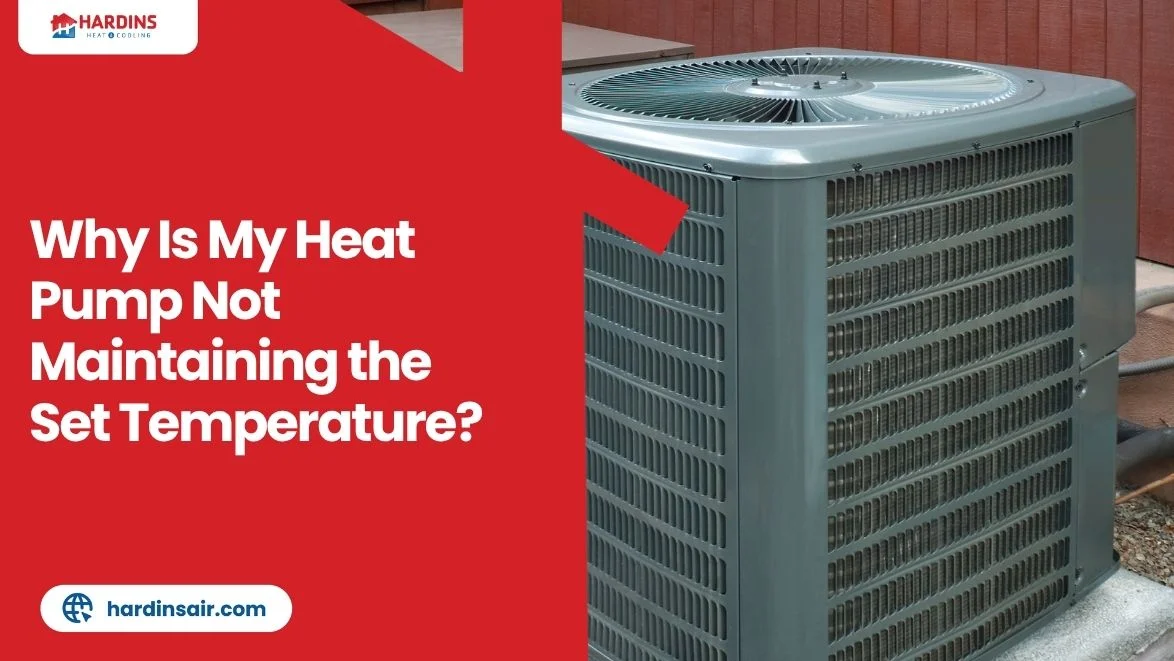
The outdoor unit is basically the radiator for your house. In Yukon, the wind carries a fine red silt that coats these aluminum fins like a blanket. When they are dirty, the heat has nowhere to escape. This forces the compressor to run at dangerous temperatures, eventually leading to a total system meltdown.
2. Blown Start Capacitors
Think of a capacitor as a small battery that gives your motors the “kick” they need to start spinning. The intense heat in Oklahoma causes these to fail more often than almost any other part. If you hear a hum coming from the unit but the fan won’t spin, your capacitor has likely given up.
3. Clogged Condensate Drain Lines
Oklahoma humidity means your AC pulls gallons of water out of the air every single day. This water carries dust that creates a thick “sludge” in your drain lines. If you don’t clear it, that water will back up and ruin your furnace closet or your ceiling. This necessitates getting air conditioning service yukon ok.
4. Low Refrigerant Levels
Your AC shouldn’t “lose” refrigerant; it’s a closed loop. If the levels are low, you have a leak. The vibration from high Oklahoma winds can sometimes rub copper lines together until a pinhole forms, causing your air to feel lukewarm instead of ice cold.
5. Frozen Evaporator Coils
It sounds wild to have ice inside your house during a heatwave but it’s a common failure. If your air filter is clogged or your refrigerant is low, the coil temperature drops below freezing. Once ice forms, it blocks all airflow and stops the cooling process entirely.
6. Pitted Contactor Points
The contactor is the heavy-duty switch that turns your outdoor unit on. Every time it clicks, a small electrical arc occurs. Over time, these points get “pitted” or stuck together. If they stick, your outdoor unit might keep running even when you turn the thermostat off.
Read Also: Ac repair vs replace: Which is better?
7. Seized Fan Motors
The fan on top of your outdoor unit is under massive stress. It has to pull air through those coils all day long in the sun. If the bearings dry out or the motor gets too hot, it will seize up. Without that fan, the compressor will overheat and shut down in minutes.
8. Thermostat Calibration Errors
Sometimes the AC is fine, but the “brain” is lying to it. If your thermostat isn’t leveled correctly or is placed near a drafty window, it won’t read the room right. This leads to a house that is either way too cold or never quite reaches the set temp.
9. Leaky Attic Ductwork
If your attic ducts have holes, you are paying to cool your insulation. The extreme heat in Oklahoma attics can dry out old duct tape and sealants, allowing your expensive cold air to escape before it ever hits the vent in your bedroom.
10. Worn Out Compressor
The compressor is the most expensive part of the whole machine. If you ignore small problems like dirty coils or bad capacitors, the compressor has to work twice as hard to move heat. Eventually, it will seize or “ground out,” which usually means the system is a total loss. That’s when you should get HVAC emergency service.
Conclusion
Keeping a home cool in Yukon takes more than just turning the thermostat down; it takes a bit of proactive grit. From red dirt in the coils to heat-stressed electrical parts, these problems can be caught early if you know what to look for. To get your system back in fighting shape with a professional touch, you can trust our team at Hardin’s Heating and Cooling.
FAQ
What is the main reason my Yukon home isn’t getting cold enough?
It usually boils down to bad airflow. If your indoor filter is loaded with dust or the outdoor unit is caked in Oklahoma red dirt, the heat stays trapped. Change your filter first; if that doesn’t help, check the fins on your exterior unit for debris.
My air conditioner is making a high-pitched screeching noise. Why?
Screeching or squealing usually means a fan motor bearing is about to die. Turn the system off immediately if you hear this. Running it anyway can lead to a total electrical meltdown or a much more expensive compressor failure.
Why is there water pooling around my indoor unit?
This is typically “sludge” in your condensate drain line. Oklahoma’s intense humidity creates a lot of water, which mixes with dust to clog the exit pipe. If that water has nowhere to go, it backs up into the drain pan and onto your floor.
My AC is 12 years old. Is it worth fixing again?
Probably not. By the time a unit hits 12 years in our heat, the parts are brittle and the efficiency is gone. Sinking a thousand dollars into a major repair for an old system is usually a waste compared to buying a new unit that lowers your utility bills.
Why does my outdoor unit hum if the fan won’t spin?
That’s the classic sign of a failed start capacitor. Think of the capacitor as a battery that kicks the motor into gear. Summer heat often causes these to swell and fail, leaving the motor unable to start even though it has power.