

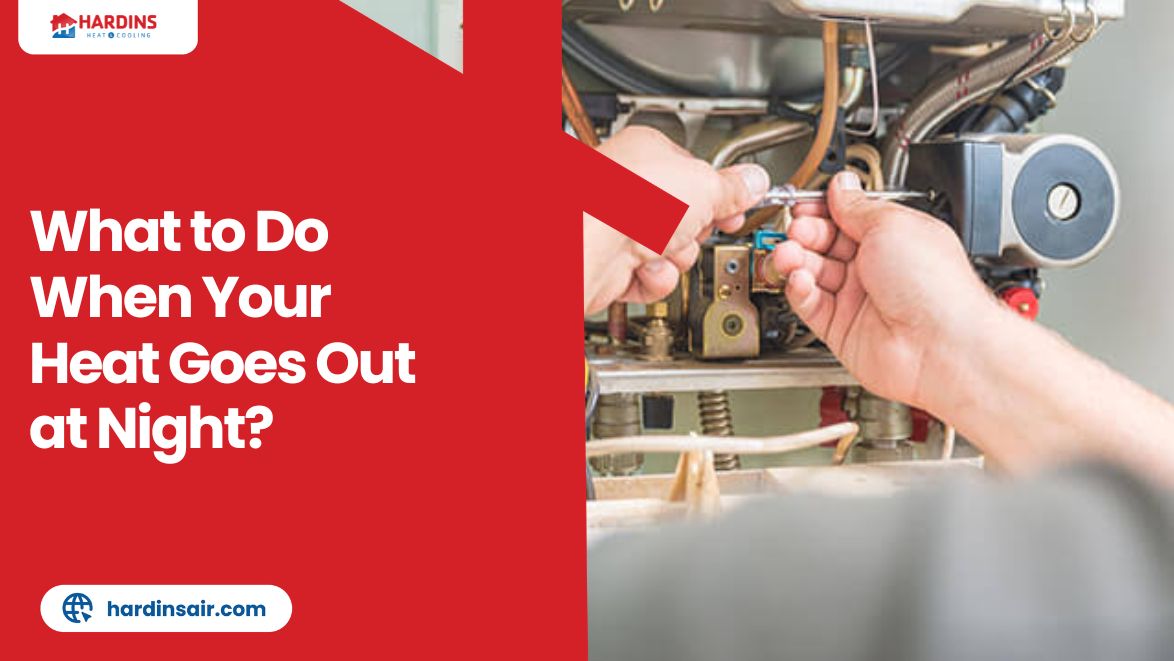
If your heat suddenly shuts off in the middle of the night, check your thermostat settings right away, flip your main electrical breaker and make sure your air filter is not clogged. Heaters usually stop running during cold night hours because a safety switch kicked in, a power surge tripped the breaker or the motor got way too hot. Running through a few quick troubleshooting steps helps you figure out if you can fix things yourself or if you need to call a technician for help. Acting fast keeps your rooms from turning into an icebox, protects your family and stops your water pipes from freezing up before morning.
Key Takeaways
- Having a simple emergency home heating failure plan ready helps you handle a sudden breakdown before your bedrooms get freezing cold.
- Simple fixes like putting fresh batteries in your thermostat, flipping a power switch or resetting a breaker often turn the heat back on fast.
- Closing interior doors, blocking drafty spots and gathering everyone into one central room keeps indoor warmth trapped for hours.
- Calling a local repair team right away guarantees you get fast help when simple DIY steps do not restart your system.
7 Things to Check When Your Heater Stops Working at Night
Here are simple things to inspect when your vents stop blowing warm air.
Check Your Thermostat Screen and Batteries
Take a quick look at your wall thermostat to make sure it is set to heat and turned up higher than the current room temp. If the screen looks completely dark, the batteries probably died or a low voltage fuse blew out. Swapping in fresh batteries often wakes the display right back up and gets your heat blowing within two minutes.
Take a Look at Your Main Breaker Box
A quick power spike or a heavy electrical load can easily trip the breaker that sends power to your heating unit. Walk over to your main breaker panel and see if the switch for your furnace sits flipped to off. Flipping it back on once can bring your heat right back to life but if it snaps back off immediately, leave it alone so you do not risk an electrical issue.
Flip the Emergency Power Switch
Furnaces and indoor air handlers have a special emergency power switch that looks just like a regular light switch. You will usually find this switch mounted right on the side of the indoor unit, near your basement stairs or inside a hallway utility closet. Someone might have accidentally bumped it off while grabbing extra blankets without noticing.
Swap Out a Dirty Air Filter
A thick coat of dust on your filter blocks airflow, making the inside of your heater get super hot really fast. When temperatures get way too high inside, built in safety switches shut everything down to protect the machinery from burning up. Pulling out that dirty filter and sliding in a fresh one lets air move freely so those safety switches can reset.
Make Sure Your Gas Supply Is On
If your home uses gas or propane, double check that your fuel lines are open and working like they should. Shutoff valves can get bumped by accident or propane tanks can run dry during unexpected winter cold snaps. Make sure the gas valve near your unit sits parallel to the pipe, which means fuel is flowing straight to the burners.
Check for a Clogged Water Drain Line
Modern high efficiency heaters produce a lot of water while running and that moisture drains out through a small plastic pipe. If that drain hose gets clogged up with sludge, water backs up into a small safety pan. That safety float switch cuts off power to stop water from spilling all over your floor, so clearing the line lets your heat turn back on.
Go Outside and Check Your Heat Pump for Ice
If you use a heat pump, grab a flashlight and step outside to look at the outdoor metal cabinet. Deep snowdrifts, falling icicles or a heavy coat of thick ice can choke off airflow through the outer coils. Clearing away snow buildup and making sure the fan can spin helps the unit run its normal defrost cycle without getting stuck.
How to Stay Warm Until Help Arrives
When basic troubleshooting does not get your heat back on, keeping your household safe and warm becomes your top priority while you wait for a technician. Here are easy ways to hold onto your indoor heat:
- Gather Everyone in One Small Room: Pick an inside room with very few windows, close all the bedroom doors across the house and stay together so your body heat warms up the smaller space.
- Block Drafts Around Windows and Doors: Roll up thick bath towels or heavy blankets to stuff along the bottom of outside doors and pull your window curtains shut to trap warm air inside.
- Bundle Up in Layers and Warm Hats: Put everyone in thermal clothes, thick socks and warm winter hats, because a huge amount of body heat escapes right off your head and feet on cold nights.
- Use Space Heaters Very Carefully: Plug electric space heaters directly into wall outlets instead of extension cords, keep them three feet away from bedding and turn them off if people go back to sleep.
- Never Use Your Kitchen Oven for Heat: Do not turn on gas ovens, stovetops or outdoor camping gear to warm your rooms, because doing that creates serious fire hazards and dangerous carbon monoxide fumes.
Conclusion
Losing your heat in the middle of a cold night means taking quick action to keep your home safe and warm. Following a straightforward emergency home heating failure plan lets you spot simple problems like a tripped breaker or dead batteries before cold air takes over your living room. When simple checks do not solve the issue, you need a local team that responds fast to late night service calls. For quick emergency repairs, winter checkups or expert heating help, contact Hardin’s Heating & Cooling today.
Frequently Asked Questions
Is losing heat at night considered a real emergency?
Yes, freezing indoor temperatures can make kids or older family members sick very quickly and can cause water pipes inside your walls to freeze and burst.
How long does it take for a house to get freezing cold without heat?
A well insulated home usually holds safe warmth for 8 to 12 hours but drafty houses can drop down to dangerous temperatures in just a couple of hours during severe cold snaps.
Can I light my fireplace if the heater shuts off at night?
Yes, burning wood in a fireplace or using a gas fireplace gives you great temporary warmth, just make sure your chimney damper stays open and watch the fire closely.
What should I do to stop my plumbing from freezing?
Turn on your sinks to let a tiny drip of water run constantly and open up the cabinet doors under your sinks so warm room air reaches the exposed pipes.