

Indoor air quality affects how you feel every day. The air inside homes and offices can hold dust, allergens, moisture, and odors. Poor air quality may lead to discomfort, headaches, or breathing issues. And sometimes the air looks fine but still contains hidden particles. Better indoor air quality is not complicated, but it does require steady habits. Small changes like cleaning, using air purifiers, proper ventilation, controlling humidity, and choosing efficient, reliable HVAC systems can make a big difference in improving indoor air quality in the long run.
Simple Steps for Improving the Quality of Indoor Air
Below are some easy tips to improve the quality of indoor air:
Use Air Purifiers
Air purifiers help reduce allergens by removing airborne particles. They use filters to capture dust and pollen and pet dander. Some models use HEPA filters for fine particles. Higher traffic zones benefit from air flow enhancements through this equipment. People mostly use bedrooms and living rooms as their main areas.
Air purifiers remove airborne particles, which helps to decrease allergens. The system maintains clean airflow while operating effectively in highly populated spaces. The system helps pet owners keep their home air clean throughout the day.
- You should install a HEPA air purifier in your bedroom or living room.
- You should activate it anytime people enter the space.
- You need to ensure that furniture does not obstruct air movement.
- You should inspect the filter every month to determine if it requires maintenance.
- You should follow the manufacturer’s directions for changing filters.
- The air purifier should operate continuously in pet-friendly homes to capture additional pet hair and dander.
Change Filters Regularly
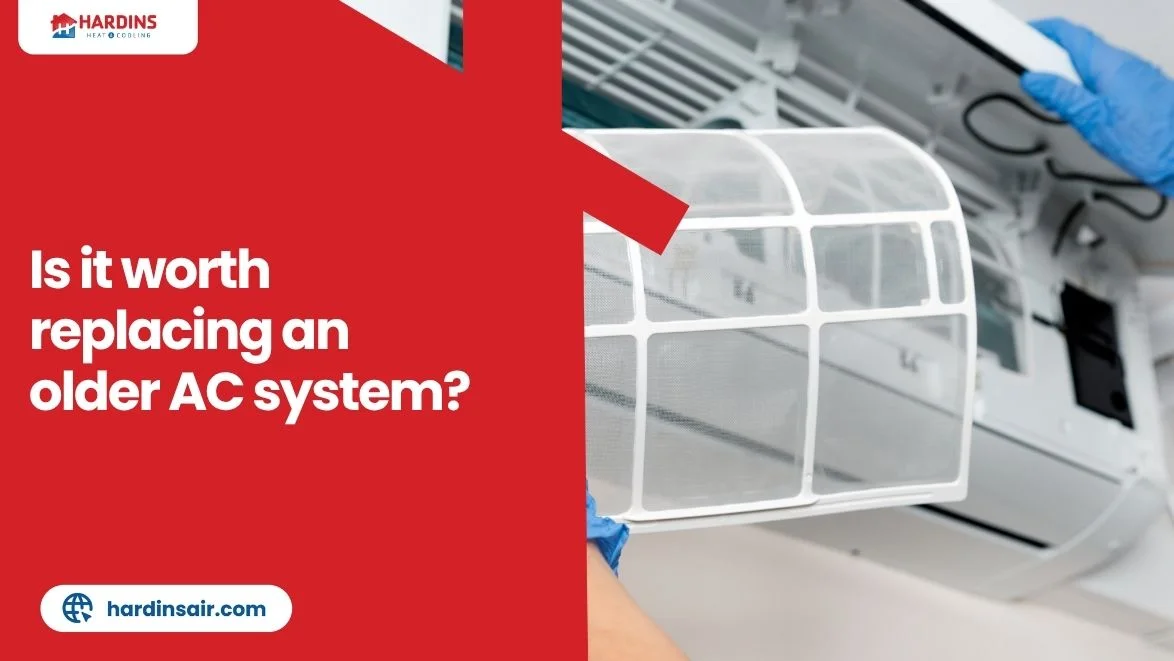
Air filters in HVAC systems collect dust over time. When filters clog, airflow becomes restricted. This reduces system efficiency. Changing filters every few months keeps air circulating properly. Then dust does not build up inside vents.
But many people forget this simple task.
- Check your HVAC or air conditioner filter every 1–2 months.
- Remove the old filter carefully.
- Install a new filter of the same size and type.
- Make sure it fits snugly to avoid air bypass.
- Set a reminder to replace it every 90 days.
- Clean the surrounding vents while the filter is out.
Ventilate Rooms
The clean outdoor air purifies indoor air pollutants. The open windows create a system that enables air to flow between indoor and outdoor spaces. The kitchen and bathroom exhaust fans work to eliminate both moisture and unpleasant smells from the building. The space benefits from the airflow that happens every day, and it only lasts only three minutes.
- Residents should open windows for their homes at least 5 to 10 minutes each day.
- Open kitchen and bathroom exhaust fans during cooking and showering activities.
- People should open interior doors to permit air movement between different rooms.
- Residents should open windows only for brief periods when outdoor air contains high levels of dust.
Control Humidity
Humidity levels impact indoor air quality. High humidity levels create conditions that enable mold to develop. Dry conditions create situations that lead to skin and respiratory problems. Indoor air quality receives protection through maintaining proper humidity levels.
| Humidity Level | Effect on Indoor Air |
| Above 60% | Increases mold risk |
| 40%–50% | Ideal comfort range |
| Below 30% | Causes dry air |
| Poor Control | Traps moisture indoors |
| Balanced Level | Supports healthier breathing |
Reduce Dust
Dust accumulates on all surfaces and flooring areas. People can decrease airborne particle levels through their routine cleaning activities. The microfiber cloth system effectively captures dust which prevents its distribution. People should vacuum their floors and furniture items on a regular basis.
- Dust surfaces with a microfiber cloth.
- Vacuum floors, carpets, and furniture weekly.
- Clean ceiling fans and vents monthly.
- Wash bedding and curtains regularly.
- Avoid shaking rugs or pillows indoors to prevent dust from flying.
Clean Carpets Often
Carpets will capture both dirt and allergens through their fibers. The particles will eventually become embedded at deep levels within the carpet fibers over time. The vacuuming process should be performed once a week to assist with removing accumulated dirt. The results will become better through deep cleaning which should be done once or twice during the year.
- Vacuum carpets at least once a week.
- Deep clean carpets once or twice per year.
- Focus on high-traffic areas first.
- Use vacuum attachments for edges and corners.
- Let carpets dry completely after cleaning.
- Consider professional cleaning for heavily used areas.
Avoid Smoking Indoors
Smoke lingers in enclosed spaces. It settles on walls and fabrics. Even after the smoke clears, particles remain. Keeping indoor areas smoke-free protects air quality.
Secondhand smoke affects others in the same space.
- Smoke only outside the house.
- Ensure windows are closed when smokers are outside.
- Air out rooms that have smelled of smoke.
- Wash fabrics that absorb smoke odors.
- Keep walls and surfaces clean from residue.
Use Low-VOC Products
Some paints and cleaning products release chemicals known as VOCs. These chemicals can stay in indoor air. Choosing low VOC products reduces exposure. Many brands now offer safer options.
- Choose low-VOC paints and varnishes and cleaning sprays.
- You should use products that require good air circulation in spaces.
- You must follow the manufacturer’s guidelines to maintain safety.
- You should store chemicals in outdoor spaces or inside sealed cabinets.
- You should use natural cleaning methods whenever you can.
Keep Plants Indoors
Indoor plants may help improve air freshness. Some plants absorb small amounts of indoor pollutants. They also add natural moisture balance. And they make rooms feel calm. But they should be maintained properly to avoid excess moisture.
- Select air-purifying plants like the snake plant or spider plant.
- Place them in areas with indirect sunlight.
- Water moderately to avoid mold growth.
- Clean leaves occasionally to remove dust.
- Rotate plants for even growth and exposure.
Clean HVAC System
The HVAC system performs continuous air movement throughout the entire building. The system allows dust particles to build up inside its ductwork and ventilation systems. System cleaning results in better airflow and system performance improvements.
| HVAC Component | Maintenance Benefit |
| Air Ducts | Reduces dust spread |
| Vents | Improves airflow |
| Coils | Supports system efficiency |
| Blower Motor | Enhances air movement |
| Full Inspection | Prevents hidden buildup |
Limit Chemicals and Sprays
Air fresheners and strong sprays release particles into the air. Using fewer chemical products reduces indoor pollution. Natural alternatives can provide a milder option so the indoor air feels more neutral.
- Reduce use of air fresheners and strong sprays indoors.
- Choose natural alternatives like essential oils or vinegar solutions.
- Open windows after cleaning to let air circulate.
- Store chemical products safely and out of daily use areas.
Test Air Quality
Air quality testing helps identify hidden pollutants. Home test kits measure particles and humidity. Professional inspections provide detailed reports.
| Testing Method | Purpose |
| Home Test Kit | Measures basic air-levels |
| Humidity Meter | Tracks moisture balance |
| Professional Inspection | Identifies hidden pollutants |
| Mold Testing | Detects mold presence |
| Ongoing Monitoring | Tracks long-term changes |
Conclusion
The combination of air purifiers and ventilation systems with filter replacements leads to better airflow quality. Home moisture control, together with dust reduction methods, establishes protection for indoor environmental spaces. Cleaning carpets and doing regular HVAC system maintenance helps to eliminate concealed accumulation from these areas. Reducing chemical usage and conducting air quality tests create additional safeguarding measures. These simple steps work together to create a healthier, improved air quality in indoor spaces. And over time, better air quality improves comfort and overall well-being.
For professional-grade improvement in indoor air quality, reach out to the experts of Hardin’s Heating & Cooling.
FAQs
How often should indoor air filters be replaced?
Indoor air filters need replacement at specific intervals that vary by filter type. Most air filters should be replaced every one to three months. The exact timing depends on usage and environment. Homes with pets or heavy dust may require more frequent changes. A clean filter supports airflow and keeps particles from spreading inside the system.
Can indoor plants really improve air quality?
Indoor plants help to enhance indoor air quality through their natural ability to absorb certain pollutants. The plants also assist with maintaining proper moisture levels throughout the environment. The plants do not serve as a substitute for ventilation systems but they help to create a cleaner atmosphere. Proper care is important to prevent mold in soil.
Is professional air quality testing necessary?
The testing becomes necessary when persistent problems exist, such as bad smells or allergic reactions. The program delivers complete information regarding dangerous materials that are not easily found. For example, mold spores or chemical residues may not be visible. The testing process enables the detection of problems, which leads to appropriate treatment methods.