

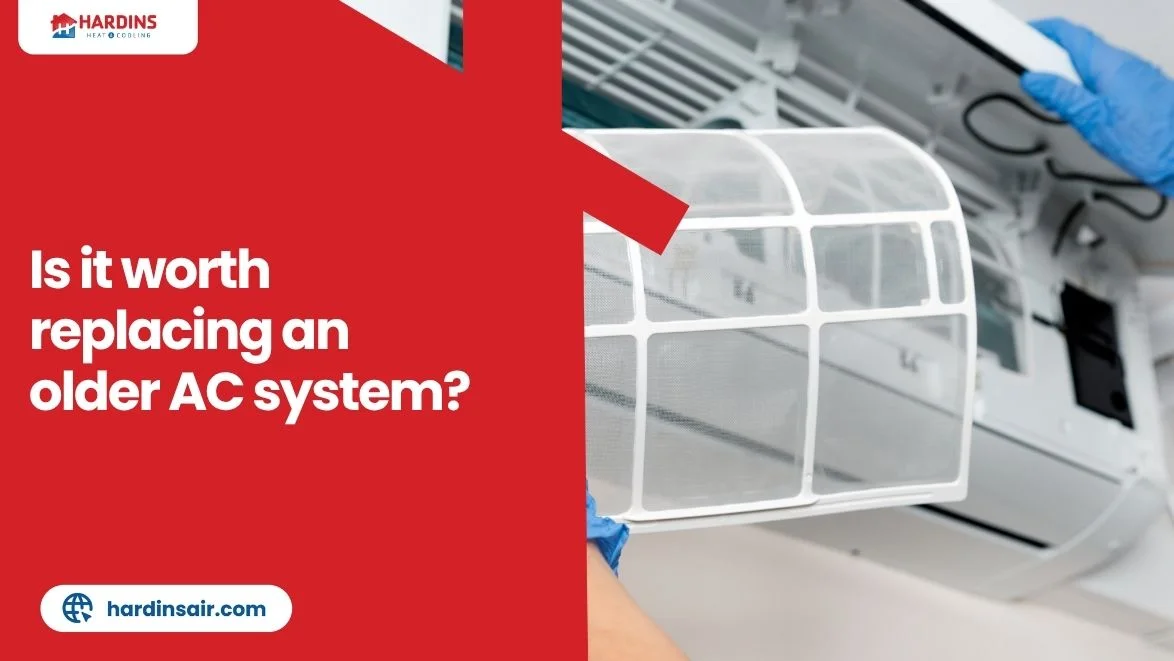
Replacing an older AC system can be worthwhile when repairs become frequent, cooling declines, or energy costs keep rising. Age alone does not mean replacement is necessary. A reliable system with a minor repair may still provide good value. However, an aging unit can become harder and more expensive to maintain. Newer systems may also provide better efficiency and more consistent indoor comfort. Before making a decision, compare repair costs, system condition, energy use, installation costs, and expected service life.
Key Takeaways
- Consider replacement when repair costs continue to rise. Repeated repair bills can make continued ownership less practical.
- Age matters when combined with poor performance. An older unit that still cools reliably may not need immediate replacement.
- Rising energy costs can support a decision to replace. Older equipment may operate less efficiently than newer systems.
- Check parts availability before approving another major repair. Difficult-to-find parts can make future service more complicated.
- Compare long-term costs rather than the repair bill alone. Installation costs matter, but future energy and repair expenses matter too.
- A minor repair may still make sense. Replacement is not always the best choice for a dependable older system.
When Is Replacing an Older AC System Worth It?
Replacing an older AC becomes more reasonable when several problems appear together. Frequent repairs can become difficult to justify when the equipment also provides weaker cooling. Rising energy bills can add another concern. An older unit may also have limited replacement parts available.
Look at the complete condition of the system before making a decision. A single repair does not automatically justify replacement. However, repeated failures can signal that more components may need attention soon. A professional inspection can help you compare the likely repair cost against replacement.
The AC System Is Near the End of Its Lifespan
An older AC system may require more attention as its components wear. Age does not guarantee failure, but it can affect the value of continued repairs. Older equipment may also lack features found in newer systems.
Consider the unit’s age alongside its recent performance. A well-maintained system can remain useful for years. A poorly performing system may make replacement more practical sooner. When AC replacement becomes a possibility, compare the system’s condition with its expected remaining service life.
Repair Costs Are Becoming More Expensive
Repair costs deserve closer attention when major components begin failing. A small repair may be reasonable on an older system. A costly repair requires more careful comparison.
Review previous repair expenses before approving another major repair. If several expensive repairs have occurred recently, replacement may offer better long-term value. Ask the technician whether other worn components could require service soon.
The AC Needs Frequent Repairs
Frequent repairs can become frustrating and expensive. One repair may solve the immediate problem while another failure appears later. Repeated service calls can also make your overall AC maintenance costs harder to predict.
Look at the repair pattern rather than one isolated incident. Several failures within a short period may indicate declining reliability. Replacement can make more sense when repair needs continue to increase.
Cooling Performance Has Declined
An older AC may struggle to maintain comfortable temperatures throughout the home. Some rooms may stay warmer even when the system runs for long periods. Longer cycles can also indicate that the system is struggling to meet the cooling demand.
Several issues can cause poor cooling, so replacement should not be the first assumption. A technician should check airflow, refrigerant levels, electrical components, and system condition. If major repairs are needed on an aging unit, replacement may deserve consideration.
Energy Bills Keep Increasing
Older equipment can become less efficient as components wear and operating conditions change. Rising energy costs may also result from other household factors. Poor airflow or duct problems can increase system workload as well.
Compare energy use over similar periods instead of relying on one bill. A consistent increase can justify a professional efficiency assessment. Replacement may reduce operating costs when the existing system has become inefficient.
Replacement Parts Are Hard to Find
Parts availability can affect the practicality of keeping an older AC. Some components may become difficult to source as equipment ages. Waiting for uncommon parts can also extend repair times. Ask whether replacement parts remain readily available for your system. If repairs depend on hard-to-source components, replacement may provide a more reliable path forward.
How Does AC Age Affect Repair and Replacement Decisions?
Age provides useful context, but it should not make the decision by itself. A newer system with repeated failures may need serious evaluation. An older system that remains dependable may still be worth keeping.
Consider repair history, cooling performance, efficiency, and equipment condition together. The expected cost of future repairs also matters. A professional assessment can show whether the system has several useful years left or is approaching the point where replacement makes more sense.
Can a New AC System Lower Energy Costs?
A newer AC may use energy more efficiently than an older system. Actual savings depend on equipment efficiency, home size, ductwork, thermostat settings, insulation, and usage patterns.
Do not base the decision on efficiency ratings alone. Ask how the proposed system matches your home’s cooling needs. Proper sizing and installation affect how effectively the equipment operates.
What Are the Benefits of Replacing an Older AC System?
A new system can provide more dependable cooling when an older unit has become unreliable. Replacement can also remove some recurring repair concerns. The benefits depend on the condition of the existing equipment and the quality of installation.
More Consistent Cooling
A properly sized system can provide more even temperature control. Older equipment may struggle to maintain comfortable temperatures during heavy cooling demand. New equipment can improve comfort when the existing system has significant performance problems.
Better Energy Efficiency
Newer systems may offer improved efficiency compared with older equipment. Lower energy use can help reduce operating costs over time. Actual results depend on the system selected and how it is installed.
Fewer Unexpected Repairs
Replacing worn equipment can reduce the need for repeated repairs. A new system still needs routine maintenance and may eventually require service. However, replacement removes many aging components that may otherwise require repair.
Improved Indoor Comfort
A properly installed system can improve temperature consistency and overall comfort. Better airflow and reliable cooling can make a noticeable difference. The installation must still match the home’s requirements.
When Is Repairing an Older AC Still the Better Option?
Repair can remain the better choice when the system is reliable and the required work is limited. Replacing equipment involves a larger upfront expense. A minor repair may extend the system’s useful service without unnecessary replacement.
The System Is Still Relatively Reliable
An older AC does not need replacement simply because it has reached a certain age. If breakdowns are uncommon and cooling remains adequate, continued use may make financial sense.
The Repair Is Minor
Small repairs can be practical when the rest of the system remains in good condition. Replacing a worn component may cost far less than installing new equipment.
Repair Costs Are Reasonable
Compare the repair estimate with the system’s condition and recent history. A reasonable repair may provide more value than immediate replacement. Ask whether additional major repairs appear likely.
The AC Still Provides Adequate Cooling
If the system cools the home effectively and operates reliably, replacement may not be urgent. Regular maintenance can help preserve its current condition.
How Much Does It Cost to Replace an Older AC System?
Replacement costs vary based on equipment size, efficiency, installation requirements, and home conditions. Ductwork changes, electrical work, and other modifications can increase the final price.
Get a detailed installation estimate before making the decision. The proposal should explain equipment, labor, required modifications, and warranty coverage. Comparing complete proposals provides a clearer picture than comparing equipment prices alone.
What Should You Consider Before Replacing an Older AC?
Homeowners searching for AC replacement near me should compare contractors based on installation experience, warranties, and service options.
System Size
System size should match the home’s cooling load. An oversized or undersized system can affect comfort and operating performance. Ask the contractor how the recommended capacity was determined.
Energy Efficiency
Compare efficiency ratings when reviewing replacement options. A more efficient system may cost more initially. Consider potential operating savings over the expected service period.
Installation Costs
Installation costs depend on the existing setup and work required. Ask whether the estimate includes removal, installation, electrical connections, refrigerant work, testing, and disposal. Homeowners considering AC replacement in Yukon should request a written estimate before approving the work.
Warranty Coverage
Review both equipment and labor warranty terms before purchasing. Check what parts are covered and how long coverage lasts. Ask about registration requirements when applicable.
Long-Term Operating Costs
Consider future energy use and likely maintenance expenses. A lower purchase price may not provide the lowest overall cost. Compare expected ownership costs before choosing between repair and replacement.
Conclusion
Replacing an older AC system can make sense when repairs become frequent and cooling performance declines. Rising energy costs and difficult-to-find parts can strengthen that decision. However, replacement is not always necessary for an aging system. A reliable unit with a minor repair may still be worth keeping.
Review the system’s age, condition, repair history, efficiency, and expected future costs. A professional inspection can help you make a decision with better information. If replacement appears practical, compare installation proposals carefully and choose equipment suited to your home. Contact Hardin’s Heating & Cooling today to schedule an AC inspection and discuss the best repair or replacement option for your home.