

Oklahoma summers bring brutal heat that forces your air conditioner to run nonstop day and night. That endless strain wears down small electrical components and clogs drain lines quickly. Knowing what might go wrong helps you fix small glitches before your whole unit quits.
Key Takeaways
- Sustained heat pushes electrical components far beyond their normal breaking point.
- Heavy humidity turns trapped indoor dust into thick mud inside drain pipes.
- Pinhole leaks bleed out refrigerant and destroy heavy compressor valves over time.
- Restricted airflow starves your system and freezes copper coils solid, even in triple digit heat.
- Catching small warning signs early prevents emergency mid-summer breakdowns.
8 Common AC Problems During Hot Oklahoma Weather
When summer temperatures climb across the County, your central cooling system faces the toughest workout of the entire year. Heat indexes pushing past 105 degrees mean your unit barely gets a break. That constant strain brings out every hidden weakness in older equipment. Homeowners from Yukon to Mustang see the same familiar set of cooling breakdowns every single summer.
1. Failed Start and Run Capacitors
Think of a capacitor as a small tin can packed with electrical energy. It gives your compressor motor and fan blades the high voltage jolt they need to jump into action. Without that initial electrical push, the heavy outdoor motor simply cannot turn itself over.
Oklahoma summer heat creates a brutal environment inside that metal outdoor cabinet. Internal temperatures inside the casing can easily top 130 degrees when the sun beats down during peak afternoon hours. That intense heat cooks the liquid electrolyte inside small capacitors. The top of the metal cylinder swells up like a bloated soda can and the component stops holding a charge.
When a capacitor goes bad you will usually hear a quiet humming or clicking sound coming from the condenser box outside. The outdoor fan blades stay frozen in place. Indoors your vents keep blowing warm room air, while your home gets hotter by the minute. Trying to run a cooling system with a dead capacitor puts massive strain on the compressor winding. Replacing a failing capacitor takes a quick routine visit and saves you from paying thousands for a whole new compressor later.
2. Refrigerant Leaks and Low System Pressure
Air conditioners do not actually create cold air out of nowhere. They use closed copper coils filled with chemical refrigerant to absorb heat inside your living room and dump it into the outdoor air. The system relies on a precise charge level to move heat efficiently.
Years of severe vibration from the heavy compressor motor cause thin copper tubing to rub against metal brackets or internal casing walls. That constant friction wears down the metal until tiny pinhole leaks open up along joints or coils. High heat makes the chemical gas expand under heavy pressure, which accelerates the leak rate.
You might notice your home taking much longer to cool down than it used to. The air conditioner might run for five hours straight without dropping the indoor temperature even two degrees. You may also hear a faint hissing or gurgling noise coming from the copper lines wrapped in black insulation behind the outdoor unit. Simply topping off the system with extra refrigerant without finding the leak wastes money because the expensive gas will just escape right back out into the atmosphere.
3. Frozen Evaporator Coils
Walking outside in 100 degree heat and finding thick white ice covering your indoor copper coils seems completely backward. Yet frozen coils rank among the most common calls local technicians answer during July and August.
Ice forms when the cold indoor coil cannot transfer its chill into the surrounding air. An air conditioner needs a steady rush of warm house air blowing across the cold copper fins. If that airflow stops or slows down to a crawl, the temperature of the copper drops below the freezing point. Humidity pulling off the air turns to liquid condensate on the fins and freezes into solid ice.
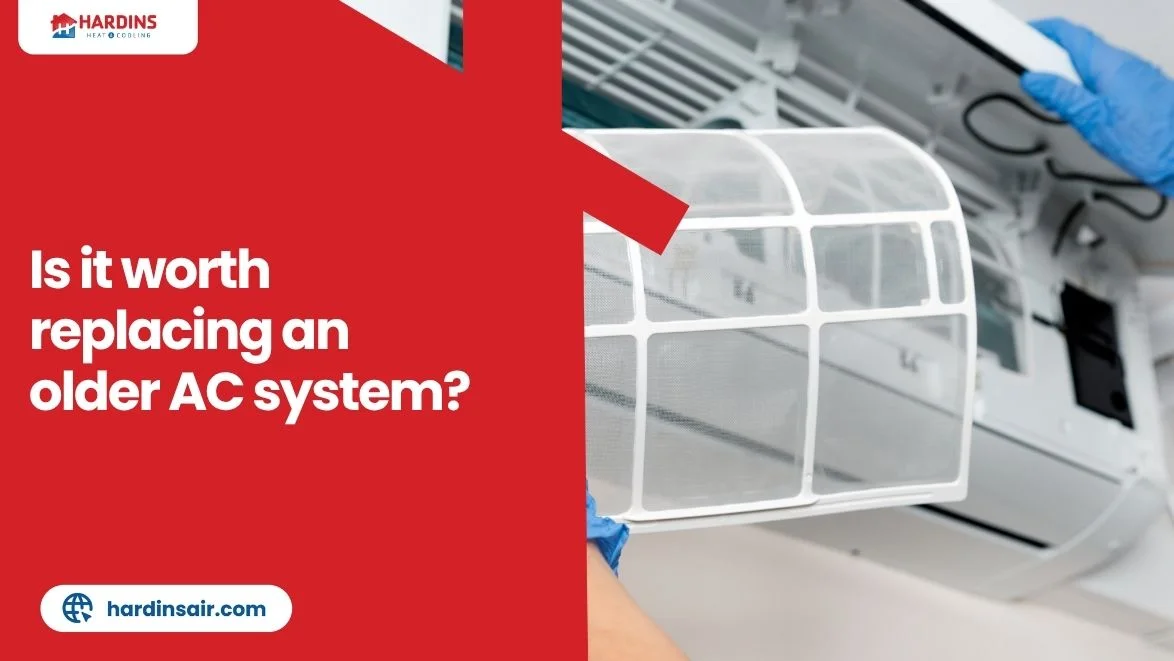
Layer after layer of ice builds up until the entire copper coil turns into a solid block of frozen frost. Dirty air filters are the primary culprit here. Dust, dog hair, and dander form a thick blanket across the intake filter, which starves the blower fan of air. Closed supply vents in unused bedrooms or blocked return grilles produce the exact same result. If you notice frost on your copper lines turn, off the cooling setting right away and run the fan mode to melt the ice before motor damage occurs.
If your system freezes up or quits during a dangerous heatwave, securing rapid assistance through emergency HVAC service near me keeps your household safe and comfortable.
4. Clogged Condensate Drain Lines
Our summer weather brings plenty of muggy air up from the Gulf of Mexico. Your air conditioner removes huge amounts of water from your indoor spaces while it cools. A typical residential system can pull over ten gallons of water out of the air every single day during high humidity spells.
All that liquid condensation drips into a drain pan tucked under the indoor evaporator coil. From there it flows out of your house through a white plastic PVC drain pipe. The interior of that dark warm drain pipe forms the perfect breeding ground for algae, mold spores, and bacterial slime. Mix that biological growth with ordinary household dust drifting through the air handler and you get a thick gelatinous sludge.
The sludge blocks the narrow opening of the drain pipe and backed up water fills the drain pan to the top. Excess water spills over the edges into your attic insulation, ceiling drywall, or floorboards. Modern air handlers usually feature a small float safety switch wired directly into the control board. When water rises in the pan the float rises and cuts power to the outdoor unit. Your thermostat stays lit but the cooling stops completely until someone clears out the line.
5. Overheated Compressor Units
The compressor acts as the heart of your entire cooling setup. It pumps pressurized refrigerant back and forth between the indoor coil and the outdoor condenser. Because it houses a heavy motor working against high pressure, it naturally generates plenty of its own heat while running.
On blistering afternoons when the outdoor air hits triple digits, the compressor has to work twice as hard to push heat out of the system. If the outdoor coil fins are coated in dirt or if the fan motor slows down the compressor cannot shed its built up thermal energy. Temperatures inside the sealed metal dome shoot through the roof.
Internal safety devices called thermal overload switches trip to shut down the motor before the copper windings melt. You will notice the outdoor unit kicking off every fifteen minutes only to try restarting once it cools down briefly. Repeated thermal shutdowns degrade internal oil and destroy electrical insulation. Once a compressor motor burns out completely you usually have to replace the whole outdoor section.
To protect your equipment against heavy thermal stress, booking routine heating and cooling service keeps internal parts clean and extends the overall life of your investment.
6. Burnt and Pitted Electrical Contactors
Your contactor serves as the main high voltage relay switch for the outdoor unit. It sits inside the electrical service panel on the side of the condenser box. When the indoor thermostat senses the room getting too warm it sends a 24-volt signal down to the contactor coil. A magnetic plunger pulls down and closes two heavy copper contact pads to send 220 volts of electricity straight to the compressor and fan.
Opening and closing under heavy electrical loads creates a tiny arc of electrical fire across the contact points every single time the system cycles. Over thousands of summer cooling cycles those metal pads become pitted, charred and covered in black carbon buildup. Bugs like ants and spiders are also attracted to the warm electrical coil and get crushed between the closing contacts.
A damaged contactor causes two distinct problems. The metal contacts can pit so badly that electrical current stops flowing entirely, which leaves your outdoor unit dead. Alternatively the intense heat can weld the pitted contacts together in the closed position. When that happens the outdoor compressor and fan run nonstop without ever shutting off even if you turn the wall thermostat completely off.
7. Restricted Airflow from Dirty Exterior Coils
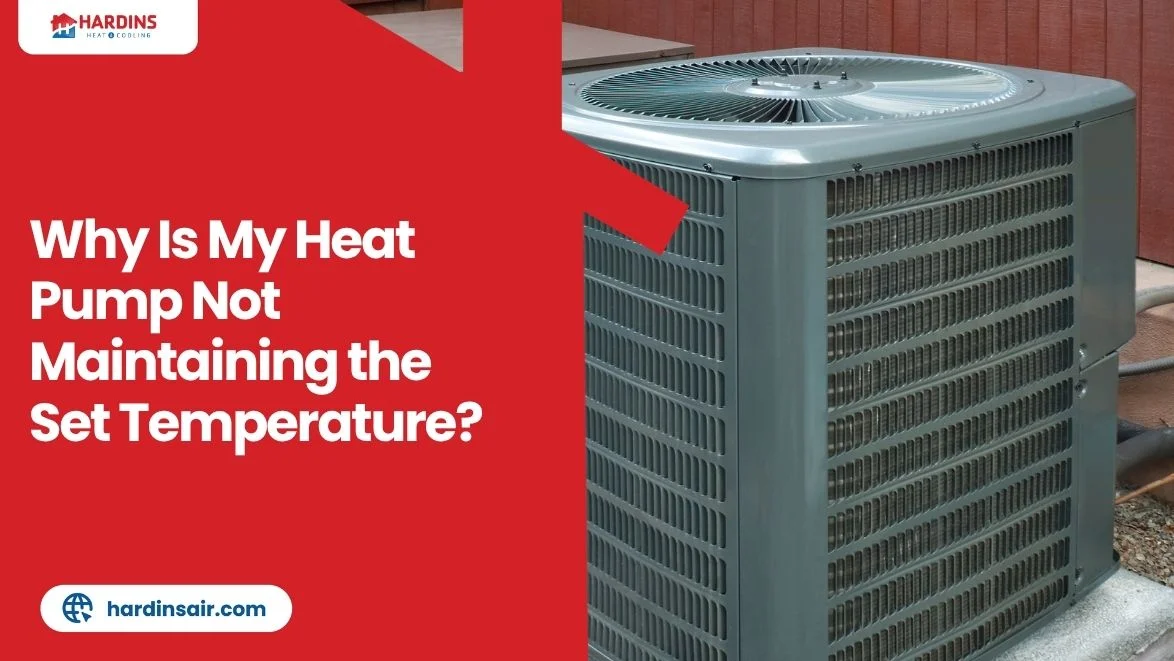
Take a walk outside and look closely at your outdoor condenser unit. The metal box is wrapped in hundreds of thin aluminum fins designed to transfer heat away from internal copper tubes. To work right, the top fan must pull massive amounts of outdoor air through those side fins every second.
Oklahoma spring winds kick up heavy red dirt, dust, and dry soil off agricultural fields across Canadian County. Combine that airborne dirt with floating cottonwood seeds, grass clippings from the lawnmower, and fallen autumn leaves. All that yard debris is vacuumed directly into the side of your outdoor cabinet by the condenser fan’s strong suction.
A heavy layer of dirt acts like a wool sweater wrapped around your air conditioner. Heat stays trapped inside the copper lines because fresh air cannot move through the clogged aluminum fins. System operating pressure skyrockets as a result. The unit uses significantly more electricity every hour while delivering far less cold air inside your living room. A gentle rinse with a low pressure garden hose removes built up dirt and lowers operating stress right away.
8. Miscalibrated Wall Thermostats
Not every cooling problem stems from mechanical failure inside the outdoor box or indoor air handler. Sometimes the root cause sits right on your hallway wall. Modern electronic thermostats rely on sensitive thermistors to measure ambient room air temperature within a fraction of a degree.
Over years of continuous operation, dust settles inside the thermostat housing and covers the temperature sensor. Direct sunlight streaming through a nearby window can also trick the sensor into reading the room as ten degrees warmer than it actually is. Drafts moving through the wall cavity behind the thermostat mounting plate bring hot attic air straight to the sensor.
A miscalibrated thermostat causes short cycling where the unit turns on and off every few minutes before actually cooling the house. It can also cause the system to run endlessly because it thinks the room is still warm. Checking for loose control wiring, replacing weak AA batteries, and sealing the hole behind the baseplate resolves basic temperature reading errors quickly.
When temperatures climb high and your cooling system struggles to keep up, booking professional air conditioning service in Yukon, OK, guarantees your unit gets evaluated by experienced technicians.
Conclusion
Beating the summer heat requires keeping a close eye on your air conditioner throughout the hottest months of the year. Catching early warning signs, like strange noises, warm vent air, or slow drain lines, keeps minor fixes from becoming major financial headaches. Regular maintenance removes dirt, protects electrical parts, and ensures your home stays cool when outdoor temperatures peak. For honest, dependable assistance from local experts who know Oklahoma weather inside out, contact Hardin’s Heating and Cooling today to schedule your system tune up or repair.
Frequently Asked Questions
Why is my AC blowing warm air on a hot summer day?
Warm air usually indicates a blown capacitor, low refrigerant levels, or a tripped breaker at the outdoor disconnect box. A filthy air filter that starves airflow can also freeze indoor coils and cause vents to push warm air.
How often should I change my air filter during Oklahoma summers?
Inspect your filter every single month when temperatures stay high. Standard one inch pleated filters generally need replacing every 30 to 60 days, particularly in homes with pets or nearby dirt roads.
What should I do if I notice ice on my outdoor AC pipes?
Turn the cooling mode off at your thermostat immediately to safeguard internal compressor valves. Set the fan switch to ON to blow warm air across the coil, replace your return filter, and schedule a technical inspection to find leaks or airflow restrictions.