

If you want your new mini split to keep running smoothly, it needs more than just a quick “set it and forget it” approach. These systems stay efficient when you give them regular attention. That means cleaning filters, keeping indoor and outdoor units clear, and watching for small changes. With a sensible maintenance routine, your mini split can provide quiet, comfortable heating and cooling for many seasons.
Schedule expert mini split AC installation and enjoy quiet, customizable heating and cooling.
Key Takeaways
|
New Mini Split Maintenance Checklist: All Tasks Your System Needs
Mini splits may look simple, just hanging on the wall, yet they rely on several parts working smoothly together. Giving each part a little attention keeps the whole system running better and prevents small problems from turning into larger headaches.
Inspect and Clean the Air Filters
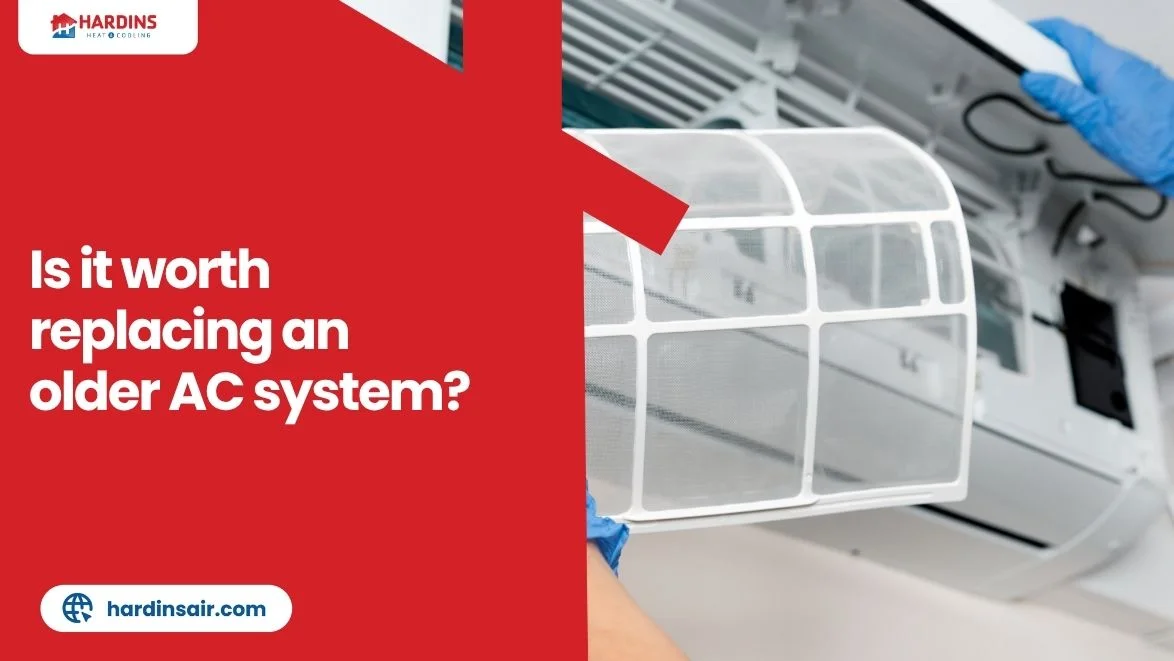
Each indoor head has a filter or a set of filter screens that catch dust before it hits the coil. When these filters clog, airflow drops and the unit has to work harder to move air. You should open the panel, remove the filters, and check them regularly. A gentle rinse with lukewarm water, then a full dry, helps keep them effective and ready for the next run.
Wipe the Indoor Unit and Air Intake
Dust doesn’t just sit on filters; it also collects on the casing and around the air intake grille. This fine layer slowly narrows the opening where air enters the unit. Using a soft cloth to wipe the front, top, and intake area every few weeks keeps surfaces clean and helps air flow freely. It also stops dust from being pulled inside and makes the unit look better day to day.
Clean and Check the Air Louvers
The louvers direct airflow up, down, or across the room. Over time, dust can gather on their edges and joints, which may cause noisy movement or uneven air patterns. With the unit off, you can carefully clean the louvers using a cloth or soft brush. While you do this, gently move them to make sure they respond smoothly so the mini split can aim the air exactly where you want it.
Check the Indoor Coil and Blower for Dirt
Behind the front panel, the indoor coil and blower handle the real temperature change and air movement. You shouldn’t take them apart on your own, but you can look inside with a light. If you see heavy dust mats, dark grime, or fuzz on the fins or blower blades, that’s a sign deeper cleaning is needed. Dirty coils and blowers lower efficiency and can cause musty smells, so noticing buildup early and scheduling service protects your comfort.
Book professional HVAC repair, installation, and maintenance services for your Edmond home.
Inspect the Condensate Drain
As the mini split cools, it removes moisture from the air and sends it out through a drain line. If that line clogs, water may drip inside, stain walls, or cause mold near the unit. You can check around the indoor head for moisture, streaks, or slow drips. If you ever see water where it shouldn’t be or hear unusual gurgling, it’s time to have the drain checked and cleared before damage spreads.
Keep the Outdoor Unit Free From Debris
The outdoor unit needs space to breathe since it’s responsible for ejecting heat into the outside air. Leaves, grass, and stacked items around the unit can choke airflow. Make it a habit to keep a clear zone around the cabinet and brush away loose debris. Avoid putting anything on top of the unit. This simple step helps pressure stay within safe limits and lets the system run more smoothly.
Inspect and Clean the Outdoor Coil
The outdoor coil can pick up dust, pollen, and other particles that settle between its fins. That buildup acts like a blanket and makes it harder for the unit to release heat. You can look closely to see whether the fins appear clogged or darkened. Light cleaning with low‑pressure water or a soft brush can help, while deeper coil cleaning is best done by a professional so fins don’t bend or break.
Protect the Outdoor Unit From Snow and Ice
If your mini split offers heat as well as cooling, the outdoor unit must work in winter as well. Snow banks and ice buildup around the cabinet restrict airflow and sometimes strain the fan. Clearing snow from around the unit and keeping the area free from heavy drifts helps it breathe. You should avoid covering it completely with tight wraps since those can trap moisture, but simple shielding from direct snowfall may help in harsh conditions.
Check Refrigerant Lines and Insulation
Refrigerant lines connect indoor and outdoor units, and their insulation keeps energy from escaping along the way. These lines usually run along walls or exterior surfaces. From time to time, look at them for cracks, missing insulation, or signs of rubbing or damage. If anything looks worn or exposed, you should call for service so the insulation can be repaired before efficiency suffers or moisture causes corrosion.
Check the Outdoor Unit Base and Mounting
Mini splits often sit on pads or brackets that keep the outdoor unit level and secure. Ground movement or weather can eventually shift these supports. A quick visual check to make sure the unit still sits straight and doesn’t wobble helps spot trouble early. If you see leaning, sagging, or rusted brackets, it’s wise to have them assessed before vibration or strain harms refrigerant lines or internal components.
Test the Remote, Thermostat, and Operating Modes
Your remote or wall controller is your main link to the system. Batteries can weaken, and buttons can wear. It’s helpful to test all modes occasionally, including cooling, heating, fan only, and dehumidification, to confirm they respond correctly. If certain modes don’t start or temperatures don’t change as expected, that may signal a control issue or deeper system fault that deserves a closer look.
Request your HVAC service in Tuttle, OK, and experience fast, reliable service from trusted local experts.
Check Every Indoor Head in a Multi-Zone System
In a multi‑zone setup, each indoor head has its own behavior and can develop unique problems. One room may be cooler or make more noise than others. Periodically visit each head and feel the airflow, listen for sounds, and check the temperature response. This extra attention ensures you don’t miss a struggling zone just because another area still feels fine. Balanced performance across all heads is part of what makes mini splits appealing.
Schedule Professional Mini Split Maintenance
Even with careful homeowner care, mini splits still benefit from professional maintenance. Technicians can clean coils more thoroughly, flush drains properly, test electrical connections, measure operating pressures, and confirm that refrigerant levels and sensors are within proper ranges. For a new system, this preventative work helps keep warranties valid and avoids early wear. Scheduling regular mini split AC service means you’re less likely to experience a sudden breakdown on a day when you need the system most.
Keep Maintenance and Service Records
Good maintenance doesn’t end when a task is finished. It helps to jot down dates when you cleaned filters, wiped heads, or had professional service. You can keep a small notebook or digital notes for each system. These records make warranty discussions easier and give future technicians useful context, especially if your system was installed through a mini split installation Oklahoma City provider. If a problem repeats, your notes show whether it’s tied to certain seasons or usage changes, which speeds diagnosis.
How Often Should a New Mini Split Be Maintained?
A new mini split should receive light homeowner maintenance, such as filter cleaning and quick visual checks, about every month or two during heavy use, while a thorough professional check and cleaning once a year keeps deeper components in good condition and maintains steady performance.
Can You Maintain a New Mini Split Yourself?
You can handle many basic tasks yourself on a new mini split. Cleaning filters, wiping indoor units, clearing debris from the outdoor cabinet, and watching drains and lines are all within reach. However, coil cleaning, refrigerant checks, and electrical testing need a trained technician to keep your system safe and effective.
Does a New Mini Split Need Professional Service Every Year?
Even if your mini split is new, yearly professional service is still wise. If it’s time for your annual tune-up, searching for mini split AC service near me can help you find qualified local technicians. Technicians catch hidden issues early, confirm safe operation, clean hard‑to‑reach parts, and verify that performance matches design. Regular visits protect efficiency, extend system life, and help you keep any manufacturer warranty conditions satisfied over time.
Read Also: How much money can a new AC save?
Conclusion
By now you’ve seen that even a brand-new mini split benefits from regular maintenance. Simple steps, like cleaning filters, checking each indoor head, and keeping the outdoor unit open to fresh air, make a real difference in performance. When you back those up with annual professional visits, your system gets the thorough inspection and tuning it needs to stay healthy long term. That combination reduces breakdowns and keeps energy use more reasonable. If you want your mini split to stay in top shape year after year, Hardin’s Heating & Cooling is ready to help with expert care and advice.