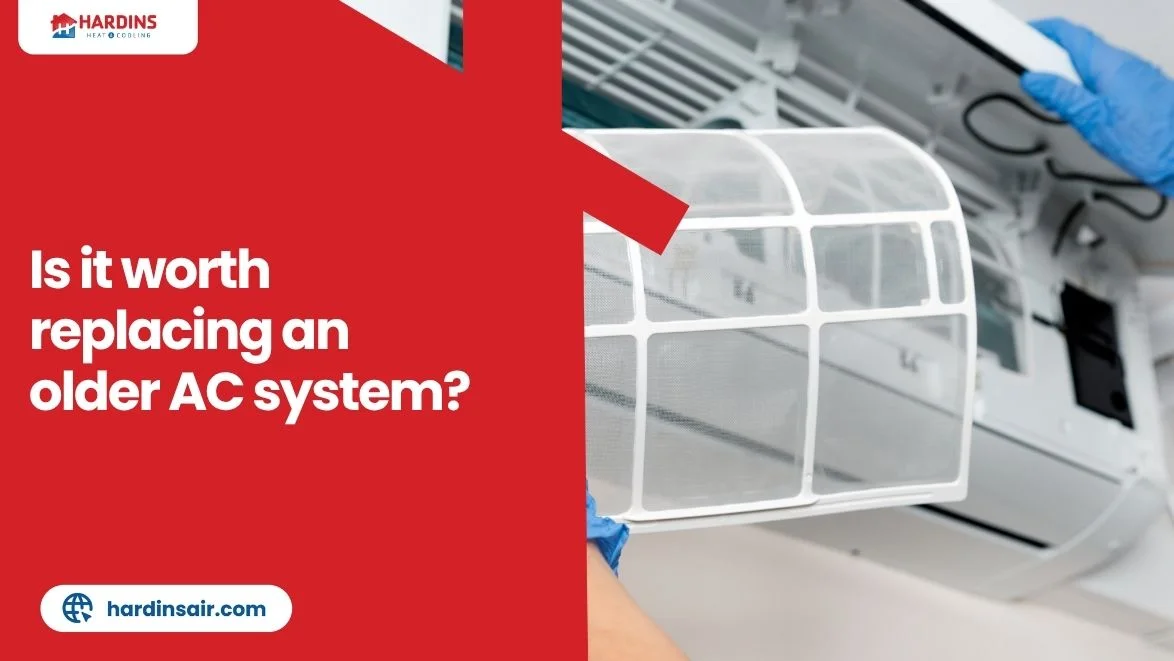


An AC should usually be replaced when repair costs continue to rise or cooling performance continues to decline. Age also matters when an older system needs major repairs. A newer unit with one minor issue may still deserve repair. The decision depends on repair cost, reliability, efficiency, refrigerant type, and replacement options. A technician can compare the current system’s condition with the cost of installing new equipment. That comparison helps you avoid replacing a unit that still has useful life.
Key Takeaways:
- An older AC with repeated repairs may be a better replacement. Frequent breakdowns can make continued repair spending difficult to justify.
- A newer system with a minor repair usually makes more sense to repair. The same applies when the unit has worked reliably and repair costs remain reasonable.
- Poor cooling and rising energy bills can point toward declining system performance. These problems deserve an inspection before you decide on replacement.
- Outdated refrigerant can affect repair options for older equipment. Ask a technician whether the system can still be serviced properly.
- Consider installation cost and system sizing. Replacement involves more than the equipment price. A new unit should match the home’s actual cooling requirements and fit your budget.
How Can You Decide Between AC Repair and Replacement?
Start by looking at the AC’s age and current condition. Then compare the repair estimate with the system’s overall value. A small repair on a reliable unit rarely justifies replacement by itself. The decision becomes harder when several problems appear at once. Repeated repairs can add up quickly on an aging system. Poor cooling can also make an older unit less practical.
Ask the technician what caused the failure and whether other parts show wear. Find out whether another major repair is likely soon. A clear assessment gives you more information than the repair price alone.
What Factors Determine Whether You Should Repair or Replace Your AC?
Several factors can change the best choice for your home. Age matters, but it should not make the decision by itself. Repair cost and system reliability deserve equal attention during the evaluation.
Age of the AC System
Older AC systems may have more wear across several components. Age alone does not mean replacement is necessary. A well-maintained older unit can still provide dependable cooling.
However, major repairs become harder to justify as equipment gets older. The system may have other aging parts that could fail later. Ask about the unit’s condition beyond the part that currently needs repair.
Cost of the Repair
The repair cost should be compared with the condition of the entire AC. A small repair may be worthwhile when the system works well otherwise. A costly compressor repair deserves more careful consideration.
Ask for a clear repair estimate before approving major work. You can then compare that amount with replacement costs. The cheapest immediate option may not always provide better long-term value.
Frequency of Repairs
Frequent repairs can signal that an AC is reaching the end of its useful service life. One isolated repair does not necessarily indicate a serious problem. A pattern of repeated failures deserves closer attention. Keep records of major repairs and their costs. Those records can show whether repair spending has become excessive.
Energy Efficiency
Older systems may consume more electricity than newer equipment. Efficiency can decline when components wear or the system develops operating problems. Poor airflow can also make the AC run longer. Compare your current energy use with previous seasons. A noticeable increase deserves an inspection before assuming replacement is necessary. A technician can determine whether the equipment is causing the higher energy use.
Availability of Replacement Parts
Parts availability can affect the practicality of repairing an older AC. Some older equipment may require harder-to-source components. Waiting for a part can also extend the time without cooling. Ask whether the needed part remains readily available. If repairs depend on uncommon components, replacement may become more practical. Your technician can explain whether continued service remains reasonable.
What Signs Indicate Your AC Should Be Replaced?
Certain problems can make replacement more sensible than another repair. The clearest signs involve repeated failures, poor cooling, rising energy costs, and major component problems. An inspection can confirm whether these issues come from an aging system.
The AC Needs Frequent Repairs
Repeated breakdowns can make an older AC expensive to keep running. Each repair may solve one problem while another component continues aging. That cycle can become frustrating during hot weather.
Replacement deserves consideration when repair visits become increasingly common. Ask whether the current failure relates to broader equipment wear. A technician can help you compare continued repairs with a new installation. If repeated breakdowns leave you without cooling, emergency HVAC service near me can provide professional assistance when urgent repairs are needed.
Cooling Performance Keeps Declining
An AC that struggles to cool the home may have several possible problems, like low refrigerant, airflow restrictions, electrical faults, and worn components, which can affect performance. Replacement becomes more reasonable when poor cooling continues despite repeated repairs. If the system cannot maintain comfort reliably, ask about newer equipment options. Do not replace the unit before confirming the actual cause.
Energy Bills Keep Increasing
Higher cooling costs can indicate declining equipment performance. An inefficient system may need longer cycles to maintain the selected temperature. Poor maintenance can also contribute to increased energy use.
Look for a consistent increase rather than one unusual monthly bill. Weather and household usage can affect energy costs as well. A technician can check system performance before you commit to replacement.
The System Makes Loud or Unusual Noises
New grinding, rattling, or persistent buzzing can indicate mechanical problems. Some noises may come from parts that can be repaired without replacing the entire unit. Pay attention when a noise becomes louder or more frequent. Do not assume an older sound is harmless if it changes. Have the source inspected before deciding whether repair or replacement makes more sense.
The AC Uses Outdated Refrigerant
Repair options can become more complicated depending on the refrigerant and system design. Refrigerant rules and availability can also affect service decisions. Ask a qualified technician about your system’s refrigerant before planning a major repair. Replacement may offer a more practical path for some older equipment.
When Is AC Repair Still the Better Choice?
Repair usually makes sense when the AC remains reliable and the needed work is limited. A newer system can have an isolated component failure without needing replacement. The same applies to older units that remain in good condition.
The System Is Relatively New
A newer AC generally has more useful service life remaining. A single failed component does not necessarily justify replacing the whole system. Repair may preserve your existing investment.
The Repair Is Minor
Minor repairs are often easier to justify than major component replacements. A failed contactor, capacitor, or similar part may not indicate a broader system failure. The technician should still check why the component failed.
Repair the problem when the rest of the equipment remains sound. Ask whether any related parts show signs of serious wear. That answer can help you avoid another repair soon afterward.
The AC Has Been Reliable
A reliable AC deserves more consideration before replacement. If the unit has needed few repairs and still cools properly, the repair may remain practical. Age alone should not force an immediate replacement decision. Look at the full operating history rather than one recent problem. A single failure after years of dependable service may be manageable. Continued reliability can make repair the more sensible choice.
Repair Costs Are Reasonable
Compare the estimate with replacement pricing before making a decision. Also consider whether the repair comes with a parts or labor warranty. A professional heating and cooling service provider can explain whether the repair is likely to be worthwhile. Ask what condition the remaining components are in. That information can make the repair decision much clearer.
What Should You Consider Before Replacing Your AC?
Replacement involves more than choosing a new unit from a list. The equipment must suit your home and cooling needs. Installation quality also affects how well the new system performs.
New System Installation Cost
Get a detailed estimate before approving a replacement. The total cost can depend on equipment, installation requirements, and existing system changes. Ask what the quoted price includes. Do not compare systems by equipment price alone. Installation work can affect the final amount significantly. A clear estimate helps you compare different replacement options fairly.
Expected Energy Savings
A newer AC may use energy more efficiently than older equipment. However, actual savings depend on usage, home conditions, equipment efficiency, and installation quality. Ask the technician to explain the efficiency rating of the proposed system. Compare that rating with your current equipment, where possible. This gives you a more useful basis for estimating future operating costs.
System Size and Cooling Requirements
The replacement AC needs the right capacity for your home. An oversized unit can create short cycling and uneven comfort. An undersized system may struggle during periods of high outdoor heat. A proper evaluation should consider the home’s cooling requirements. Do not choose equipment based only on the size of your existing AC. HVAC contractors in Yukon, OK, can assess the current setup and recommend suitable equipment.
Warranty Coverage
Review the equipment and installation warranties before purchasing a new system. Check what parts receive coverage and how long protection lasts. Installation-related coverage may differ from the manufacturer’s warranty. Ask what steps you must follow to keep the warranty valid.
Conclusion
Replacing an AC makes more sense when repeated repairs, poor cooling, and high operating costs continue. Repair remains practical when the system is newer, reliable, and needs limited work. Age should guide the decision rather than decide it alone. Before replacing your unit, compare repair costs with the system’s condition and future reliability. If you need help making the choice, contact Hardin’s Heating & Cooling for a professional AC evaluation. Our team can inspect your current system and explain whether repair or replacement is the better fit for your home.