

When an air conditioner frequently cycles on and off, it’s known as short cycling. This is usually caused by low refrigerant, a dirty air filter, an oversized unit, or a thermostat misreading the temperature. If left unaddressed, it can lead to a higher energy bill and additional strain on the AC’s compressor, so it’s worthwhile to discover the root cause and fix it.
Keep your heat pump running efficiently with professional maintenance that helps prevent costly repairs.
Core Takeaways
- A dirty or clogged filter is the most common problem, so first check it and replace needed.
- Confirm that the thermostat is reading your temperature accurately by checking the room it is in and confirming it’s set correctly.
- If your AC continues to turn on and off frequently after these steps, call a professional HVAC technician to confirm proper refrigerant levels, correct sizing, and electrical motors.
- Do not ignore short cycling because it can increase your energy bill, damage your AC’s compressor, and shorten its lifespan.
- Reach out for a professional HVAC diagnostic if you notice that the AC’s coils are freezing, you suspect a refrigerant leak, or your AC turns on and off every few minutes even though the filter is clean and the thermostat is set properly.
What Short Cycling Actually Means?
A healthy AC runs one full cycle: kicks on, runs for a while, then shuts off once the space hits the set temperature. Short cycling breaks that pattern, and the unit starts turning on and off every few minutes instead. Beyond just being annoying to listen to, it’s a sign that something in the system isn’t working the way it should.
Book expert HVAC repair, installation, and maintenance services for your Midwest City home.
Common Causes of an AC Turning On and Off Repeatedly
A handful of issues cause most short cycling problems, and narrowing down which one applies makes the fix a lot more straightforward.
Dirty or Clogged Air Filter
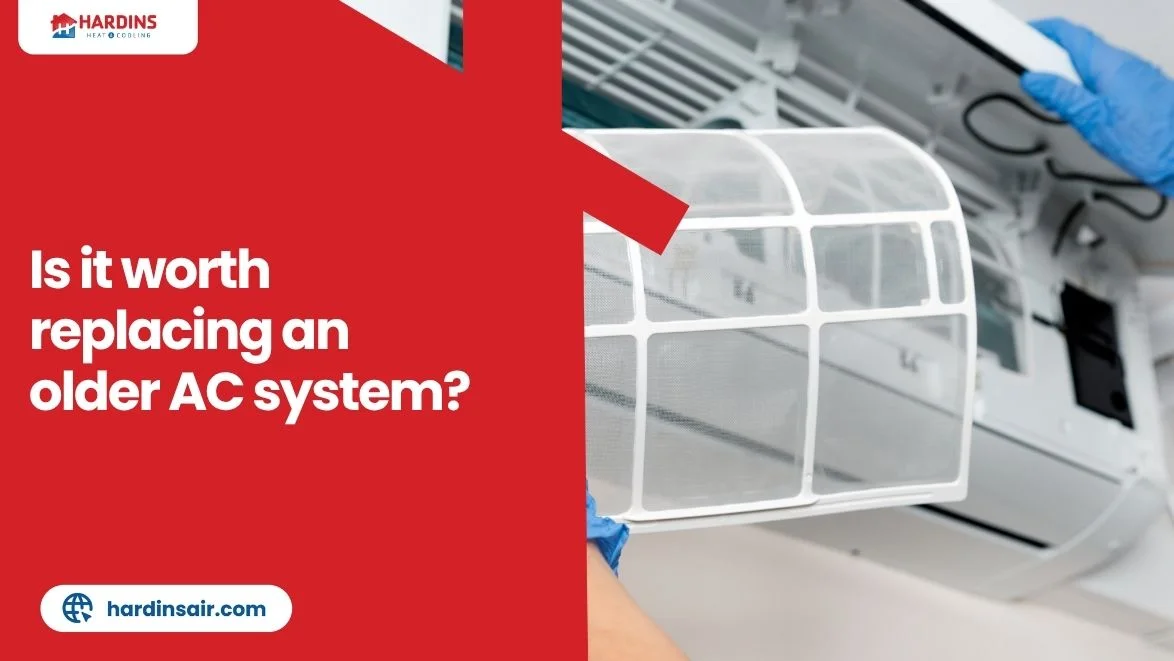
A filter packed with dust chokes off airflow, and that can cause the unit to overheat and shut down as a safety measure before firing back up shortly after. This is the most common cause on this list, and also the easiest to rule out first.
Low Refrigerant Levels
Low refrigerant throws off the pressure balance inside the system, and that can trigger the compressor to shut down early as a protective response. This usually points to a leak somewhere rather than refrigerant just naturally running low.
Oversized AC Unit for the Space
A unit that’s too big cools the air fast, hits the target temperature quickly, then shuts off before it’s had time to actually pull humidity out of the room. That creates a constant start-stop pattern since the system’s simply overpowered for the space it’s cooling.
Thermostat Placement or Malfunction
A thermostat stuck near a heat source, a sunny window, a vent, or even a lamp, reads the temperature wrong and cycles the system based on bad information. A malfunctioning thermostat causes the same issue, even when sitting in a good spot.
Frozen Evaporator Coils
When the coils ice up, it blocks the airflow and the system may shut down to protect itself. It then starts again after warming up a little, and then freezes up right after. This repeats until the underlying cause of the freeze is repaired.
Electrical or Wiring Issues
Loose connections or failing electrical parts could cause the system to lose power on and off. This looks a lot like short cycling on the surface, but it is an electrical problem, not a cooling one. If the unit cuts out completely, rather than just cycling oddly, that’s usually the point to stop troubleshooting.
Why Short Cycling Is Bad for Your AC System
This isn’t just an annoyance; the constant starting and stopping actually does real damage the longer it goes unchecked.
Increased Wear on the Compressor
Startup is when the compressor takes the most strain, so a unit constantly starting and stopping wears it down far faster than one running normal, complete cycles. That adds up over time and shortens how long it lasts.
Higher Energy Bills
Starting up repeatedly burns more electricity than one complete cycle would. So short cycling quietly drives the bill up, even though the house probably doesn’t feel any cooler for it.
Shortened System Lifespan
The added load wears out not only the compressor, but the whole system. So you’ll be facing a costly repair or replacement well before the unit was ever expected to fail.
Protect your investment with routine AC maintenance that helps extend the life of your air conditioning system.
Quick Checks You Can Do Before Calling a Technician
- Check the filter and change it if it’s dirty or hasn’t been changed within the last month or two.
- Verify that the thermostat is properly set and isn’t in a spot where it might be pulling heat from a sunny window or a next-door refrigerator.
- Walk the house and look for blocked vents or furniture blocking return grilles, as airflow limitation can emulate any of the other troubleshooting items above.
When Short Cycling Means You Need a Professional
There are causes of short cycling that you can’t fix on your own, so knowing when to stop troubleshooting and call someone matters.
Signs the Problem Is Beyond a Simple Fix
If the air filter is clean, the thermostat is properly located, and all vents are clear, but the unit still has a short cycling problem, then it’s time to call a professional. The issue must involve internals (the electrical system or refrigeration) and you cannot safely gauge that without a trained technician.
Risks of Ignoring It Too Long
The risk of ignoring the short cycling problem is that you’ll accelerate wear on parts that cost real money to replace. What could be a DIY fix, or at least a trivially fixable problem, can become a full compressor failure if it sits through a summer unaddressed. So, if your unit just quits all of a sudden, you should consider checking out the options of emergency HVAC services near me instead of waiting for a regular appointment.
How Technicians Diagnose and Fix Short Cycling
A technician will usually start by observing the refrigerant levels, the thermostat wiring and placement, and confirming that the system is properly sized for the home. Any repairs needed will depend on what they find. A professional heating and cooling service will explain what they find before making any changes so you won’t be surprised by the final cost.
Conclusion
Short cycling isn’t something worth just living with. It wears down the compressor, which is one of the most expensive parts of an AC system, while quietly increasing energy costs. The cause can range from a simple clogged filter to a more serious refrigerant leak or electrical issue, so identifying it early helps prevent a larger repair down the line. If your AC has been turning on and off more than it should, contact Hardin’s Heating and Cooling for a professional diagnosis. Our technicians will pinpoint the exact cause and resolve it efficiently.
FAQs
Is it normal for an AC to cycle on and off frequently?
No. A properly working AC runs longer, complete cycles. Quick repeated bursts almost always point to something worth having checked.
Can a dirty filter really cause short cycling?
Yes, and it’s actually one of the most common causes there is. It’s also one of the simplest fixes, worth checking before assuming anything more serious is going on.
Does short cycling mean I need a new AC unit?
Not necessarily. A lot of causes, such as dirty filters, thermostat placement, or minor refrigerant issues, are fixable without touching the whole system. Replacement usually only makes sense if the unit’s old or the cause turns out to be a major component giving out.