

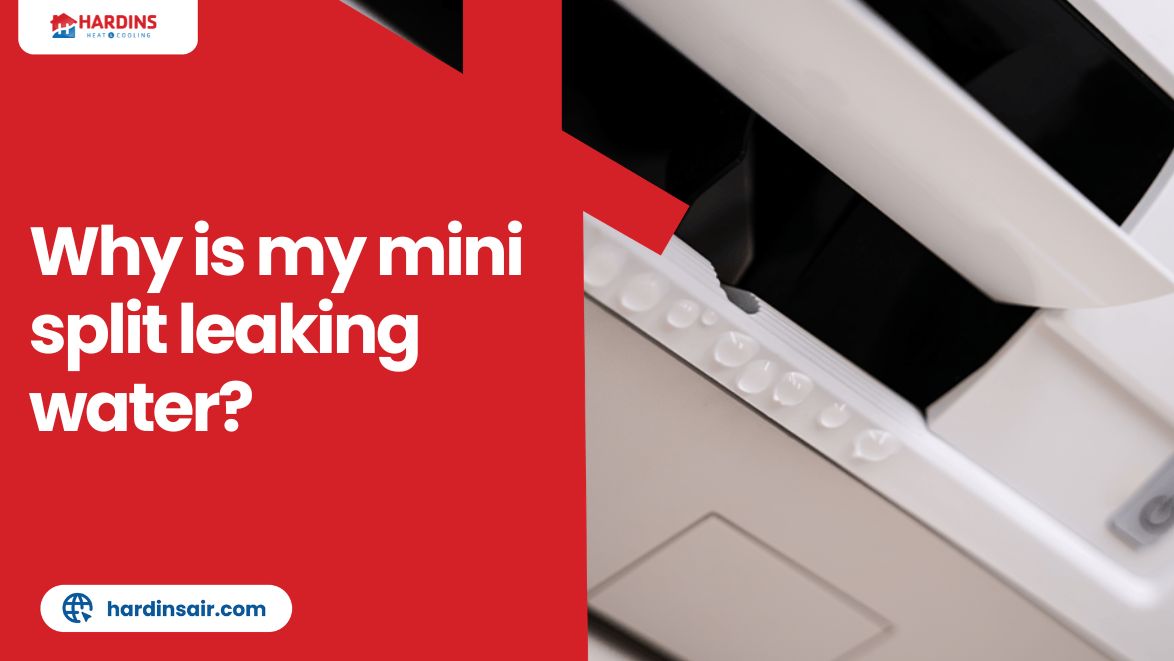
Water dripping from your mini split creates panic and potential property damage quickly. Puddles form under the unit, water stains appear on walls and musty smells develop. Ignoring leaks causes mold growth, structural damage and expensive repairs later. Understanding why your mini split is leaking water can help you prevent further damage and expensive repairs.
| Quick Answer
Most leaks come from clogged drain lines, dirty filters or frozen coils inside the unit. Other causes include damaged drain pans, improper installation, low refrigerant levels or blocked pumps. Clean filters and drain lines often fix minor leaks immediately without professional help. Complex issues like refrigerant leaks or installation problems need professional mini split AC service. |
Common Reasons Your Mini Split Is Leaking Water
Understanding the root cause helps you fix it fast before damage spreads.
Clogged Condensate Drain Line
Algae, mold and dust buildup block water flow inside the drain line over time. When the line clogs, condensate has nowhere to go and backs up into the unit. This is the most common cause of mini split leaks in Oklahoma City homes. Flush the line monthly with vinegar to prevent stubborn clogs during summer. Think about how your kitchen sink clogs with food bits. The same happens inside your AC drain line.
Dirty or Blocked Air Filters
Dust and debris accumulate on filters, restricting airflow through the indoor unit. Restricted airflow causes the evaporator coil to freeze abnormally during cooling. When ice melts quickly, it creates more water than the drain can handle. Clean filters every month during heavy AC use to maintain proper airflow. Your neighbor ignored filter cleaning for three months. His unit leaked all over the bedroom ceiling. Don’t let that happen to you.
Frozen Copper Coil
Ice forms on copper coils when airflow is restricted or refrigerant is low. Frozen coils melt faster than the drain line can remove water during thaw cycles. This sudden overflow floods the drain pan and leaks through the unit casing. Ice patches signal you need filter cleaning or professional mini split AC service. That frost on your coils isn’t normal. It means something’s wrong with airflow or temperature control inside the system.
Improper Installation or Incorrect Unit Leveling
Mini splits must tilt slightly toward the drain side for gravity to pull water down. If installed level or tilted wrong, water pools inside the unit instead of draining. Improper mounting often causes leaks within the first year of operation. Use a level tool to check alignment and adjust mounting brackets as needed. Ever tried pouring water on a flat table? It just sits there. The same thing happens when your unit isn’t angled right.
Low Refrigerant Levels
Low refrigerant causes the evaporator coil to freeze abnormally during cooling cycles. Frozen coils produce excess ice that melts quickly, overwhelming the drain system. Refrigerant leaks happen from damaged lines, poor connections or manufacturer defects.
Blocked Condensate Pump
Some mini-splits use a pump to move water when drain lines run uphill or far away. Pump failure means water sits in the pan instead of being pushed through the line. Check if the pump runs when the AC operates and listen for unusual noises. Replace a failed pump or clear debris blocking its intake mechanism. The pump works like a toilet flush mechanism. When it stops, water has no way to move forward.
Excessive Humidity Conditions
Oklahoma summers create high humidity, producing more condensation than usual. Extra moisture overwhelms drain lines and pans designed for normal operation levels. Humid days make mini-splits run longer, generating more condensate overall. Consider a dehumidifier for extremely humid rooms to reduce AC strain. Oklahoma gets humid in July and August. Your mini split produces way more water on those sticky days.
Damaged or Cracked Drain Pan
The drain pan collects condensation before it flows down the drain line. Cracks, rust or physical damage create holes where water escapes instead of draining. Plastic pans degrade over time from constant moisture and temperature changes. Small cracks can be sealed with epoxy but larger damage requires pan replacement. The drain pan acts like a bucket under your sink. When that bucket breaks, water spills everywhere without stopping.
How to Diagnose a Mini Split Water Leak
Let’s walk through each inspection method carefully.
Inspect the Air Filter
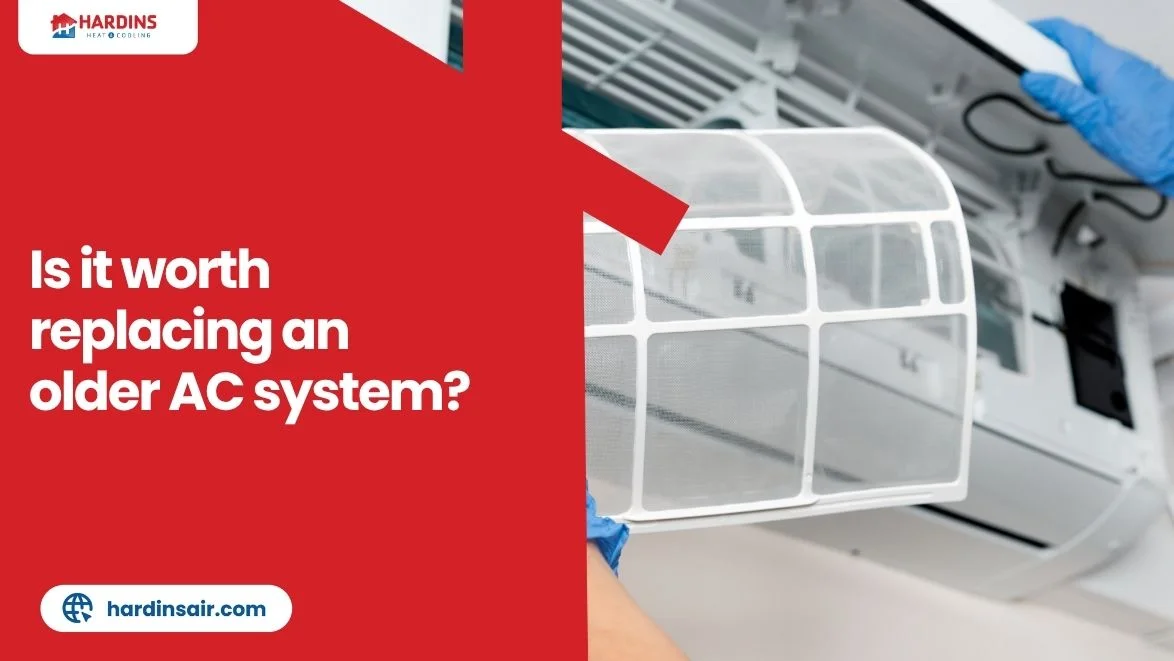
Remove the air filter and hold it up to light directly. If you can’t see through it easily, it’s clogged with dust. Dirty filters restrict airflow which causes coils to freeze inside. Check filters monthly during heavy use seasons for best results. Replace or clean when they look gray or dirty.
Check the Drain Line for Clogs
Locate the drain line exiting your indoor unit and follow it to the drain point. Look for kinks, twists or visible blockages along the entire path. Use a wet vacuum on the end to suck out debris. Pour water through to test flow properly. Slow drainage means a partial clog exists somewhere.
Examine the Drain Pan
Remove the access panel and look inside the drain pan beneath the coil. Check for cracks, rust holes or warping that lets water escape.Make sure the pan is positioned properly and drains toward the outlet. Cracked pans need immediate replacement before water damages your walls.
Look for Ice on the Evaporator Coil
Open the unit and inspect the evaporator coil for white frost or ice buildup. Ice indicates airflow problems or low refrigerant levels inside the system. Turn off the system and let ice melt completely. Check filters and refrigerant levels after thawing ends. Ice that returns means serious problems exist.
Verify Proper Unit Installation
Use a level to check if the indoor unit sits perfectly straight. The unit should tilt slightly toward the drain outlet for proper water flow. Check that the drain line slopes downward without kinks or rises. Improper installation during mini split installation in Oklahoma City causes persistent leaking problems.
How to Fix a Leaking Mini Split
Addressing problems quickly prevents water damage and keeps your system running efficiently for years. Let’s explore what steps you need to follow.
Clean or Replace Dirty Air Filters
Remove filters and vacuum loose dust off both sides thoroughly. Wash plastic filters with warm soapy water then let them dry completely. Replace disposable filters every 1-3 months depending on use levels. Cleaning filters improves airflow and prevents coil freezing that causes leaks. Never run the unit without filters installed properly.
Clear a Blocked Drain Line
Attach a wet vacuum to the drain line end and run for 30 seconds. This sucks out debris clogging the pipe effectively. For stubborn clogs, use a flexible pipe brush to scrub inside. Pour diluted bleach through to kill algae growth. Test with water to confirm free flow afterward.
Thaw a Frozen Evaporator Coil
Turn off both heating and cooling modes completely. Let the unit sit for 4-6 hours until all ice melts. Check air filters and drain lines after thawing ends. If ice returns quickly, you have low refrigerant or serious airflow problems. Call a professional for coil and refrigerant inspection.
Repair or Replace a Damaged Drain Pan
Small cracks can sometimes be sealed with waterproof epoxy designed for HVAC systems. Larger damage requires complete pan replacement by a professional mini split AC service near you. Remove the old pan carefully and clean the area before installing a new one. Make sure the replacement pan fits perfectly and drains properly toward the outlet.
Correct Installation or Leveling Issues
Loosen mounting brackets slightly and adjust the unit until level with slight drain tilt. Use a bubble level to verify proper positioning. Tighten brackets securely without moving the unit. Check the drain line path ensures a downward slope without kinks. Improper leveling causes water to pool and overflow from the unit.
When to Call a Professional for Mini Split Repair
Some problems exceed DIY repair capabilities and need expert technicians. Calling professional help prevents further damage and ensures proper fixes. Knowing when to stop and call experts saves money and protects your investment in the long run.
- Refrigerant leaks require licensed technicians to find leaks and recharge the system safely.
- Condensate pump failures need electrical diagnosis and replacement by qualified professionals.
- Persistent leaks after DIY fixes indicate hidden problems professionals can find easily.
- Frozen coils returning after thawing suggest compressor or refrigerant issues needing expert attention.
- Electrical problems near water leaks create shock hazards requiring professional diagnosis.
- Age of system affects repair costs versus replacement decisions professionals can make.
That’s because some repairs require special tools and certifications. Refrigerant handling needs EPA certification. Electrical work requires licensed expertise. Professional technicians have experience finding problems quickly.
Conclusion
Mini split water leaks usually stem from clogged drain lines, dirty filters or installation problems. Most leaks are fixable with regular maintenance and quick action. Ignoring leaks leads to water damage, mold growth and costly repairs down the road. Understanding the cause helps you choose the right fix fast.
When DIY fixes don’t stop the leak or you need reliable mini split AC service, Hardin’s Heating & Cooling offers expert diagnosis and repair. Their Yukon-based team handles mini split installation in Oklahoma City and responds fast to emergency leaks. Call us for same-day service from a family-owned company you can trust.
Read Also: How do I reset a heat pump system safely?
FAQs
Can a dirty filter cause a mini split to leak water?
Yes, dirty filters restrict airflow, causing evaporator coils to freeze inside. Ice builds up then melts into excess water the drain can’t handle fully. This creates overflow and leaks. Clean or replace filters monthly during heavy use seasons to prevent this problem.
Why is my mini split leaking water only when cooling?
Cooling mode produces condensation that must drain properly through the system. Heating mode produces minimal condensation overall. Leaks during cooling indicate drain line clogs, frozen coils or pan issues. The problem becomes visible only when water production increases. Check filters and drain lines first.
How do I unclog a mini split drain line?
Use a wet vacuum on the drain line end for 30 seconds to suck out debris effectively. For stubborn clogs, use a flexible pipe brush to scrub inside thoroughly. Pour diluted bleach through to kill algae growth. Test with water to confirm free flow afterward.