

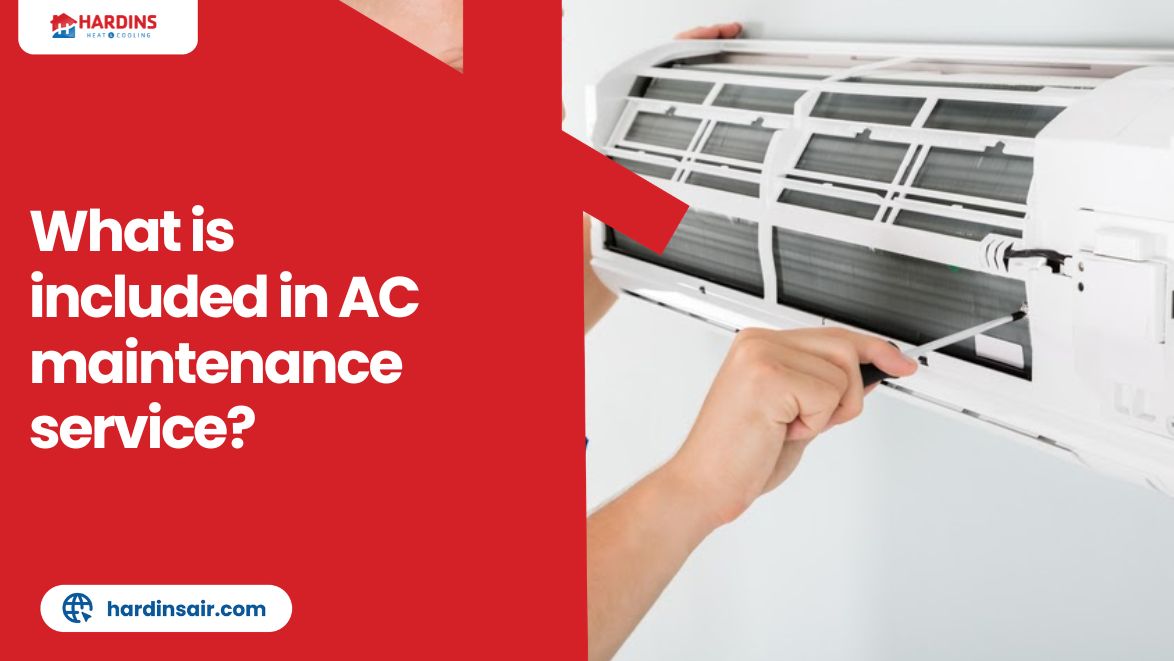
An AC maintenance service is basically a routine “health check” for your system, and in the field it’s usually focused on preventing the most common summer breakdowns before they start.
A technician will typically clean the indoor and outdoor coils, check refrigerant levels, inspect for small leaks, and test electrical parts like capacitors and contactors that often fail without warning. Airflow gets checked, filters are inspected or replaced, and drain lines are cleared to avoid water backups. The system is then fully run to confirm it’s cooling properly under load.
Key Takeaways
- Regular tune-ups extend the operating lifespan of your compressor and blower assembly.
- Cleaning removes thick layers of dust, pollen and mud that choke system airflow.
- Testing electrical components helps technicians swap out weak parts before they fail.
- Professional adjustments keep your energy consumption low during peak summer heat.
7 Things That Are Included in an AC Maintenance Service
A thorough cooling tune-up is much more than a quick visual check. It is a detailed process that addresses hidden electrical wear, performance bottlenecks and structural cleanliness. When a technician services your unit, they inspect the entire refrigeration loop to make sure every component matches original factory specifications.
To give you a clear picture of where your maintenance investment goes, a proper professional visit focuses on several essential areas of your cooling equipment. Each task targets a specific point of vulnerability that commonly causes efficiency drops or mechanical failures if left ignored over months of hard operation.
1. Intensive Condenser Coil Cleaning
The outdoor unit lives in the elements, drawing in massive amounts of ambient air to dump heat from your home. Over time, grass clippings, cottonwood seeds and thick dust coat the aluminum fins. This debris creates a physical blanket that traps heat inside the unit, spiking system pressures and forcing the compressor to work twice as hard.
Technicians use specialized sprays to deep-clean the metal without damaging the delicate fins. Prioritizing this basic cleaning saves you from overworking your machinery and needing emergency AC repair services in the dead of summer. If mud and grass block the gaps between the fins entirely, your system loses the physical ability to drop indoor temperatures efficiently.
2. Evaporator Coil and Drain Pan Sanitation
Your indoor coil stays damp all summer long as it pulls humidity out of your household air. This constant moisture turns the dark cooling cabinet into a breeding ground for mold, algae and biological slime. This buildup restricts heat transfer and fills your living spaces with a stale, musty odor.
Technicians inspect these hidden internal surfaces and treat the collection pan with specialized tablets to keep the entire air path clean and smelling fresh. Ignoring this layer of slime reduces the speed at which air passes across the cold metal, meaning your system runs longer cycles just to satisfy the thermostat setting.
3. Clear Condensate Line Flushing
The moisture your system pulls from the air has to go somewhere and it relies on a narrow PVC drain line to exit your home. Dust and slime naturally accumulate inside this pipe, forming thick clogs over time. If this drain blocks completely, water backs up instantly, overflowing the pan and causing thousands of dollars in ruined ceiling drywall.
Maintenance pros use pressurized air or specialized brushes to clear these lines. If you see water pooling around the furnace right now, skip standard upkeep and call an expert for AC repair services near me to clear the blockage before it causes structural damage.
4. Capacitor Strength Evaluation
Capacitors act like small batteries, storing up the high-voltage electrical surges required to start up your heavy compressor and fan motors. Extreme heat naturally degrades these parts, causing them to bulge, leak oil or drop below their necessary electrical capacities.
Technicians test these components with digital meters during every tune-up, allowing you to replace a failing capacitor on your own terms rather than dealing with a hot house when the system fails to start on a weekend. A weak capacitor forces the compressor motor to hum and strain against high resistance, which can burn out the entire compressor assembly within a few days of heavy use.
5. Blower Assembly Balancing and Cleaning
The indoor blower wheel must spin perfectly straight to keep your home’s airflow consistent. A heavy film of household dust on the curved blades acts as a parasitic weight, throwing the wheel out of balance and destroying the motor bearings.
Cleaning the fan assembly and testing the total amp draw keeps the blower running quietly, saves electricity and ensures that every room in your house gets an equal share of cool air. When dust accumulates unevenly on opposite sides of a rapidly spinning wheel, the resulting wobble warps the motor shaft and creates a disruptive, rhythmic vibrating noise that travels through your main wall vents.
6. Electrical Connection and Contactor Inspections
Normal mechanical vibrations can slowly back out wire screws and loosen high-voltage terminal junctions over time. Additionally, the main outdoor contactor switch can develop heavy black carbon scoring from repeated cycling.
Technicians pull the electrical disconnect panel, check every wire connection for tightness and clean dirty contact surfaces to prevent hazardous electrical arcing, short circuits and total system failures. Loose wires drop the incoming voltage supply, which forces the system components to run hotter and consume far more power than they were originally engineered to use.
7. Refrigerant Level and Pressure Checks
Running an air conditioner with too much or too little refrigerant destroys your cooling capacity and places immense strain on your compressor pump. Technicians connect specialized digital gauges to read your system’s exact internal pressures and check for tiny pinhole leaks along the copper lines.
If a leak has already caused the system to freeze into a solid block of ice, standard maintenance shifts directly into an AC repair in Yukon, OK, project to seal the breach, evacuate the lines and restore the correct chemical charge. Operating with a low charge starves the compressor of the cool vapor it requires to keep its own internal mechanics from overheating during long afternoon runtime cycles.
Conclusion
Investing a small amount of time and effort into proactive maintenance is the smartest way to protect your summer comfort and your household budget. Cleaning away hidden dirt and tightening loose electrical parts prevents minor wear from turning into an expensive breakdown on the hottest day of the year. For homeowners who want honest pricing, thorough work, and complete peace of mind, the local team at Hardin’s Heating & Cooling is ready to help. Scheduling a professional tune-up ensures your system runs reliably, quietly, and at peak efficiency all season long.
Read Also: What reduces HVAC efficiency over time?
Frequently Asked Questions
How often should a home cooling system be serviced?
You should have your system professionally inspected and tuned up once a year. The best time to schedule this is in the early spring, ensuring everything is fully optimized before the heavy summer heat sets in.
Does changing my air filter replace the need for professional maintenance?
No. Swapping out your air filter every month is great for your system’s airflow but it does not address dirty coils, failing electrical parts, blocked drain lines or low refrigerant levels.
What are the signs that my AC needs attention before its next tune-up?
Call for professional assistance if you notice your system turning on and off every few minutes, your electricity bills spiking for no reason, strange grinding sounds or water dripping around the indoor unit.